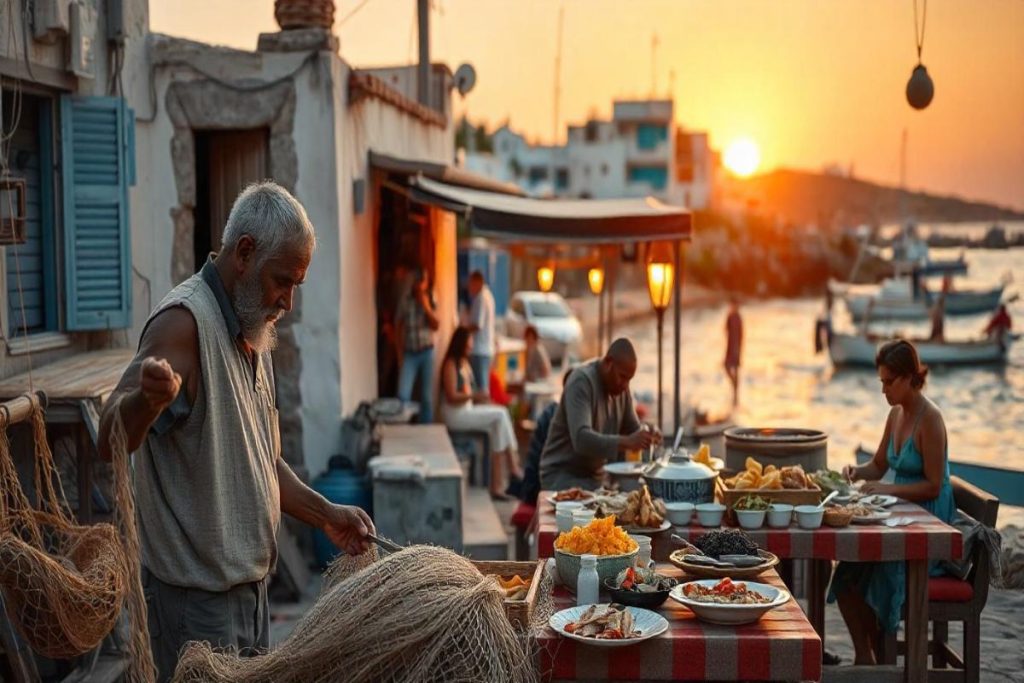
Sustainable Culture is more than a buzzword; it is a lived framework that links people, land, and knowledge in a way that sustains both communities and the ecosystems they rely on. In a world of rapid change, Indigenous communities have long practiced resilient ways of living that center relationships with the environment, language, art, ceremony. This opening look examines how collective knowledge preservation can become a collective priority that connects daily life with ecological stewardship. An understanding that has grown across generations informs everyday decision-making, guiding land care, water use, and community governance with place-based wisdom. By honoring living cultures that adapt, share, and innovate, we learn practical approaches to safeguarding heritage while facing modern challenges.
Viewed through a broader lens, this concept can be described as heritage-based development that respects biocultural ties and community sovereignty. It emphasizes cultural resilience and the co-management of lands, waters, and species through local knowledge and contemporary science. Traditional Ecological Knowledge is presented here as a living toolkit that informs climate adaptation, food security, and habitat restoration. The focus shifts from romanticizing the past to shaping policies and practices that empower Indigenous languages, governance systems, and artisan economies. In practice, indigenous knowledge preservation becomes a pathway to social justice, economic opportunity, and environmental stewardship. This approach places consent, data sovereignty, and benefit-sharing at the center of research, education, and collaboration. Technology and digital platforms are leveraged to support community archives, while ensuring control over access and interpretation. By weaving community voices into policy and planning, a culture of resilience emerges that strengthens biodiversity and shared futures. With these elements in place, policy, pedagogy, and practice align to honor knowledge holders and foster responsible innovation. Ultimately, the goal is to support communities in maintaining autonomy while sharing insights for a more sustainable future. By aligning cultural knowledge with science, policy, and education, societies can foster innovation rooted in respect and reciprocity.
Sustainable Culture: Bridging Indigenous Knowledge Preservation and Modern Systems
Sustainable Culture is a living framework that ties people to land and to the knowledge that sustains them. By prioritizing indigenous knowledge preservation, communities honor Traditional Ecological Knowledge, language, art, and ceremony as ongoing sources of resilience rather than relics of the past. This approach frames cultural sustainability and sustainable cultural heritage as dynamic capital that supports adaptation to climate variability, biodiversity shifts, and social change while maintaining identity and sovereignty.
In practice, communities retain agency over how their knowledge is documented and shared through consent-based research, community archives, and governance structures. When preserving indigenous practices is led by the people who hold the knowledge, sustainability becomes empowering rather than extractive, guiding education, science, and policy toward more respectful collaboration that protects biodiversity, language vitality, and local economies.
Traditional Ecological Knowledge and Cultural Sustainability in Practice
Traditional Ecological Knowledge forms a practical compass for land stewards, shaping how communities monitor climate signals, manage water, and maintain biodiversity. It weaves ecology with language, ceremony, and social norms, offering a holistic toolkit that supports cultural sustainability while guiding resilient livelihoods. When TEK is recognized as a living science, it informs harvest timing, crop choices, and habitat restoration, turning cultural practice into an ecological advantage that also safeguards sustainable cultural heritage.
Beyond field work, TEK engages with policy and education through ethical partnerships that honor indigenous knowledge preservation and preserving indigenous practices. Technologies such as digital storytelling and community archives can amplify TEK with consent, governance, and benefit-sharing, ensuring knowledge remains under community control while contributing to climate action, biodiversity conservation, and the long-term vitality of languages and rituals that anchor cultural sustainability.
Frequently Asked Questions
What is Sustainable Culture, and why are Indigenous knowledge preservation and Traditional Ecological Knowledge essential to it?
Sustainable Culture is a living framework that links people, land, and knowledge to sustain communities and ecosystems. Indigenous knowledge preservation ensures that observations, practices, languages, and ceremonies are kept and passed on, while Traditional Ecological Knowledge (TEK) provides place-based insights for land and resource management. Together, they advance cultural sustainability and planetary health by aligning local wisdom with science, policy, and education.
How does preserving indigenous practices contribute to sustainable cultural heritage and climate resilience?
Preserving indigenous practices safeguards living knowledge that shapes language, ceremonies, farming, governance, and social relations, forming core elements of sustainable cultural heritage. When Traditional Ecological Knowledge (TEK) is respected and integrated into conservation and education, communities gain adaptive strategies for climate resilience and biodiversity protection while ensuring equitable benefit-sharing and community autonomy.
| Aspect | Key Points |
|---|---|
| What is Sustainable Culture? | A framework for maintaining cultural vitality while safeguarding natural resources for future generations; blends ancestral wisdom with contemporary creativity; Traditional Ecological Knowledge (TEK) serves as a practical cornerstone for land management, water use, and resource stewardship. |
| Core Principles | Respect community ownership of knowledge; sovereignty of Indigenous peoples; sustainability as a social, ecological, and spiritual project; living cultures that adapt, share, and innovate. |
| Indigenous Knowledge and Its Value | Built on observation, apprenticeship, and multi-generational relationships; preservation ensures observations do not vanish; a living toolkit that complements Western science and informs policy. |
| Traditional Ecological Knowledge (TEK) | TEK integrates ecology, culture, spirituality, and social organization; TEK guides land stewardship, biodiversity protection, and climate resilience; encoded timing for planting, harvesting, and migration. |
| Preserving Indigenous Practices and Community Agency | Community-guided preservation maintains agency over access and use; guards against misappropriation; links cultural sustainability with political autonomy, language reclamation, and education. |
| Practical Pathways | Documentation with consent and community control; language and oral history programs; education and co-learning; equitable economic models; policy and governance recognizing Indigenous sovereignty and benefit-sharing. |
| Ethics, Rights, and Protecting Sacred Knowledge | Consent, governance, benefit-sharing; data sovereignty; protect sacred knowledge; community-first approach; co-authorship; prevents exploitation. |
| Intersections with Climate Action and Biodiversity | TEK informs adaptation, habitat restoration, and biodiversity conservation; supports climate resilience; fosters social justice and planetary health. |
| Technology and Digital Tools | Digital storytelling, audio/video recordings, and 3D mapping; governance and consent; community-owned repositories; ensures privacy while expanding access. |
| Challenges and Future Directions | External pressures like land loss and climate change; intellectual property concerns and inequality; center consent and fair distribution of benefits; emphasis on intergenerational learning and policy support. |
Summary
Sustainable Culture is a practical, ongoing project that binds communities, ecosystems, and economies in resilience and justice. Sustainable Culture, rooted in Indigenous knowledge and Traditional Ecological Knowledge, offers concrete ways to safeguard languages, governance systems, and land while adapting to changing climates. By centering consent, sovereignty, and equitable partnerships, Sustainable Culture becomes a powerful model for integrating culture, ecology, and economy. Through education, ethical research, and community-led initiatives, Sustainable Culture can foster biodiversity, climate resilience, and social equity, ensuring living cultures endure for generations to come.