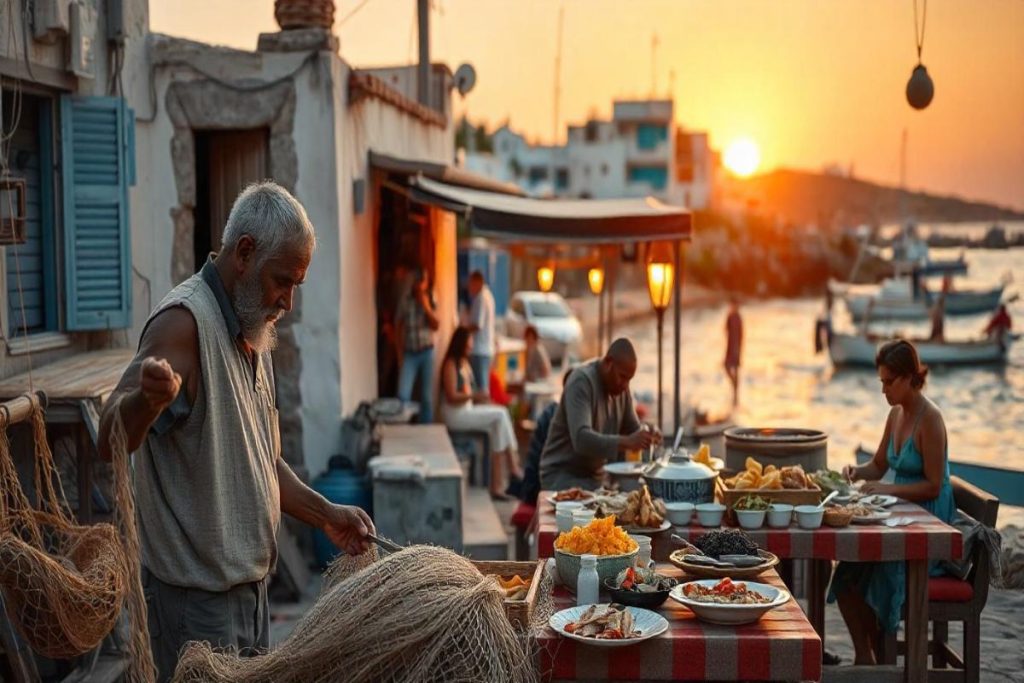
Food Culture Around the World invites you to a sensory journey where every bite tells a story. This guide explores global cuisine traditions and showcases distinctive regional flavors, enriching the world food culture for curious eaters everywhere. From sharing meals in busy markets to tasting local dishes around the world, you’ll see how eating customs worldwide shape celebrations and daily life, from family recipes at Sunday gatherings to seasonal feasts. Whether you’re traveling or cooking at home, the journey invites culinary travel experiences and new perspectives, plus practical skills like improvising with pantry staples and balancing flavors. By the end, you’ll understand how food can connect people, places, and histories across continents.
Across continents, cuisines tell the story of place through ingredients, techniques, and ritual. This alternative lens highlights gastronomic heritage, regional foodways, and the social choreography of meals. As cultures migrate and exchange ideas, flavors travel and fuse, expanding the global palate while honoring tradition. Exploring these culinary landscapes can enrich travel plans and home cooking with authentic textures and seasonal rhythms. In short, the world’s dining tapestry invites curiosity, respect, and a deeper appreciation for how communities nourish themselves. This perspective also highlights how market stalls, street foods, and home kitchens reflect community memory and shared identity. By framing the topic with foodways, palate profiles, and cultural nourishment, we maintain a reader-friendly, descriptive tone. The result is a more nuanced, inviting portrait of how food connects people across borders. In this way, curiosity becomes a compass for discovering cultures through food.
Food Culture Around the World: An Immersive View of Global Cuisine Traditions
Food Culture Around the World invites you to step into kitchens, markets, and dining rooms where history lingers in every spice jar and every simmering pot. By exploring global cuisine traditions, you can trace how climate, trade, and ritual shape what ends up on tables, turning meals into stories. The senses awaken as aroma, texture, and color reveal community narratives—from a steaming bowl of pho in Hanoi to a sun-warmed tortilla in Oaxaca, each bite mapping a place’s identity. This journey also highlights how the world food culture mirrors shared values of hospitality, memory, and creativity.
This guide emphasizes how seasonal ingredients, technique passed through generations, and the ritual of gathering around food reflect global cuisine traditions and the social fabric of meals. They travel with people, adapting to new climates while preserving heritage. When you view a dish as more than sustenance, you read a living map of place and people, and you see the evolving world food culture in action. These meals also reveal eating customs worldwide.
Culinary Travel Experiences: Tasting the World Through Local Dishes Around the World
Culinary travel experiences unfold as you wander busy markets, take a cooking class, or share a table with neighboring families. Each encounter connects you to world food culture, offering a tactile sense of place through aromas, textures, and technique. Exploring local dishes around the world reveals how ingredients travel, how recipes adapt to regional tastes, and how hospitality shapes dining rituals in different communities.
As you sample street foods and home kitchens, you’ll notice threads of global cuisine traditions in every bite—from fermentation and roasting to the delicate balance of spices. This tasting journey becomes cultural literacy, inviting you to understand eating customs worldwide, seasonal produce, and the creative dialogue between old methods and modern influences.
Frequently Asked Questions
How do global cuisine traditions influence your experience of local dishes around the world during culinary travel experiences?
Global cuisine traditions provide a lens to compare meals across cultures while honoring local variations. They highlight shared techniques, seasonal ingredients, and the hospitality that surrounds eating, helping you understand why local dishes around the world evolve with place, climate, and history. In culinary travel experiences, spotting a familiar method or spice across different kitchens reveals both connection and contrast, enriching your tasting journey.
What can exploring world food culture teach us about eating customs worldwide and how communities share meals?
Exploring world food culture shows how hospitality, etiquette, and shared plates shape identity and community. Eating customs worldwide vary by region, yet most traditions center on welcoming guests, slow pacing, and conversation at table, turning meals into meaningful rituals. By sampling a signature dish and observing mealtime conduct, you gain insight into how people nourish relationships as much as bodies.
| Topic | Key Points |
|---|---|
| What is Food Culture Around the World? | Food reveals history, geography, and identity; it’s more than sustenance and is often a social, celebratory experience expressed through shared meals and rituals. |
| Global cuisine traditions | Global cuisine traditions emphasize seasonal ingredients, time-honored techniques, hospitality, and adaptation to local availability. |
| Regional flavors – Asia | Balance of salty, sour, sweet, bitter, and umami; staples like rice or noodles; seafood abundance; regional spice blends reflect geography and history. |
| Regional flavors – Europe | Bread, dairy, grains, and seasonal produce; meal structures range from hearty stews to olive-oil–driven dishes; meals as social rituals emphasizing conversation and pause. |
| Regional flavors – Africa | Maize, millet, sorghum, cassava form bases; stews and sauces showcase bold flavors; indigenous ingredients blend with trade influences. |
| Regional flavors – The Americas | Indigenous crops formed regional cuisines; colonization and immigration added new ingredients; from barbecue in the U.S. South to Caribbean citrus flavors. |
| Regional flavors – Middle East & North Africa | Olive oil, legumes, grains, and fragrant spice blends; mezze-style dining as hospitality; simplicity elevated by technique and aroma. |
| Techniques and pantry | Techniques like fermentation, grilling, roasting, steaming, and slow simmering shape flavors; global pantry items (garlic, onions, chili peppers, cumin, coriander, turmeric, citrus) travel across borders, enabling fusion while honoring tradition. |
| Practical sampling | Start with cornerstone dishes; shop for seasonal produce and quality staples; observe street-food etiquette and seek signature dishes when traveling to understand local eating customs. |
| Hospitality and dining customs | Hospitality as a universal language; meals express gratitude, welcome guests, and preserve family histories; etiquette reinforces social harmony. |
| Fusion and digital kitchen | Fusion blends traditions with modern tools; social media and cooking videos expand access while many cooks stay rooted in heritage. |
Summary
Food Culture Around the World invites readers to travel with their senses as they explore how food shapes identity, history, and community across continents. From Asia’s spice-laden markets to Europe’s bread-centered social rituals, Africa’s vibrant stews, the Indigenous roots of the Americas, and the fragrant mezze and hospitality of the Middle East and North Africa, global cuisines form a tapestry of shared stories and regional distinctions. This exploration highlights how techniques, ingredients, and dining rituals connect people, invite curiosity, and make tasting the world possible whether you’re traveling or cooking at home. By honoring regional flavors, learning about ingredients and methods, and celebrating the eating customs worldwide, you can cultivate a richer, more respectful understanding of cuisine. The journey is ongoing—a continuous feast of learning, sharing, and celebrating the diverse food culture that links us all.