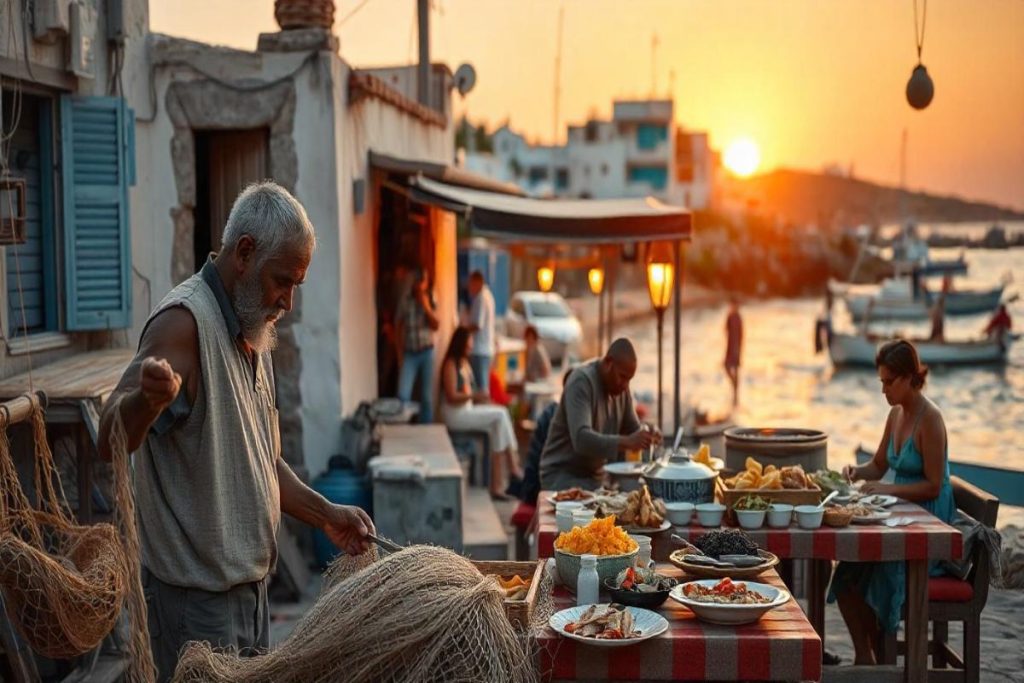
Food as culture is a living archive that tells the stories of people, places, and journeys through every bite. This perspective treats meals as cultural artifacts that carry migration, ritual, and community across generations. In exploring global culinary traditions, we discover how food culture around the world shapes identity and connection at the table. By recognizing culinary traditions by country, we see how techniques, ingredients, and celebrations encode memory and belonging. From festive gastronomy and cultural celebrations to everyday meals, food heritage and identity grows through shared eating, storytelling, and hospitality.
By reframing the topic with related terms such as gastronomy, cuisine, and foodways, we can appreciate how eating practices express a people’s values. Latent Semantic Indexing (LSI) principles help show that these terms point to the same underlying idea of culture through meals, nourishment, and place. Cuisine as heritage and food culture language overlap with broader concepts like culinary identity, foodways, and ritual feasting. In this light, rituals around markets, celebrations, and family tables become expressions of shared history, place, and belonging.
Food as Culture and Global Identity: Exploring Food Culture Around the World
Food as culture is more than flavor—it is a living record of migration, trade, memory, and belonging. When we consider food culture around the world, we see how diets carry values and rituals across oceans and generations. Framing the topic through global culinary traditions reveals how communities weave ingredients, techniques, and stories into cohesive identities. In this view, every meal becomes a bridge to the past and a doorway to shared understanding, a culinary archive that evolves with people and place.
Across regions—from the tea ceremonies of East Asia to the mezze and street foods of the Mediterranean and the Americas—kitchens host social rituals that encode harmony, hospitality, and memory. This is not merely about recipes; it is about Food as culture shaping how we identify ourselves and others. The discussion of food culture around the world intersects with gastronomy and cultural celebrations, as festivals, harvests, and family gatherings turn meals into communal rituals that reinforce bonds and invite ongoing dialogue between generations.
Culinary Traditions by Country: Food Heritage and Identity Through Gastronomy and Cultural Celebrations
Culinary traditions by country reflect how climate, soil, history, and trade shape flavor. From Nordic seafood to Iberian charcuterie and North African spice blends, nations safeguard techniques and ingredients that tell a local story. In exploring global culinary traditions through this lens, we see how food heritage and identity are transmitted through family recipes, market rituals, and iconic national dishes that travelers encounter as ambassadors of place.
As globalization reshapes the food landscape, communities strive to preserve authenticity while allowing evolution. Sustainable farming, the revival of heirloom varieties, and the recombination of regional flavors help keep tradition vibrant and accessible. Yet gastronomy and cultural celebrations remain central—weddings, harvest rituals, religious feasts, and public feasts—ensuring that culinary traditions by country endure as living, relevant expressions of identity for current and future generations.
Frequently Asked Questions
How does Food as culture help us understand global culinary traditions and food heritage and identity across communities?
Food as culture frames meals as carriers of memory, migration, and belonging, not just nutrition. It reveals global culinary traditions as living conversations between land, season, and people, where recipes travel and adapt while preserving core identity. Through food heritage and identity expressed at family tables, markets, and festivals, communities keep culture vibrant across generations.
In what ways do gastronomy and cultural celebrations illuminate food culture around the world through culinary traditions by country?
Gastronomy and cultural celebrations show how nations use food to mark rites, harvests, and communal gatherings, shaping food culture around the world in practice. Culinary traditions by country reveal how terroir, history, and exchanges create distinctive flavors while inviting innovation that honors heritage. This perspective reinforces cuisine as a communal craft that evolves with people and invites shared memory.
| Region / Theme | Key Points | Examples / Notes |
|---|---|---|
| East Asia and the Pacific Rim. | Seasonality, ritual, and balance; fermentation and umami; tea ceremonies, noodle traditions, and dumplings; food as a social ritual that encodes harmony, patience, and community. | China, Japan, Korea; rice and millet staples; soy, miso, fish sauce; diverse social dining practices. |
| Mediterranean and Middle East | Olive oil and grains; mezze/tapas; meals as social events; long histories of trade routes and intercultural exchange; celebrations and family gatherings. | Greece, Lebanon, southern Italy; mezze culture; cuisine shaped by trade and religious/seasonal festivals. |
| The Americas | Indigenous ingredients (corn, beans, chiles, cacao, quinoa); fusion with colonial influences; street foods and masa-based dishes; biodiversity informs flavor; migration stories. | Mexico, Central America, Andean nations, Caribbean; US/Canada as a mosaic of immigrant cuisines. |
| Africa | Diverse climates and languages; farming cycles; storytelling; communal cooking; large-pot dishes; solidarity and resilience; regional flavor diversity. | North Africa spice markets; West Africa palm oil; East Africa coffee and teff; Southern Africa meat-and-stew traditions. |
| Europe | Regional cuisines shaped by climate and terroir; exchange and globalization; hybrid dishes; festivals and markets; transmission of knowledge; balancing tradition with modern sustainability. | Nordic fish; Iberian chorizo; Central European stews; enduring culinary dialogue across borders. |
| Global themes | Seasonality and terroir; tradition and innovation; food at rites and celebrations; recipes as memory and belonging; hospitality as social glue. | Across regions, these themes weave a shared human story and guide sustainable, mindful cooking. |
Summary
Food as culture is a lens into the richness of human experience, showing how meals carry memory, identity, and social values across places and time. This exploration highlights how regional practices—from East Asia’s ceremonial tea rituals to Mediterranean meze, and from the Americas’ biodiversity-inspired flavors to Africa’s communal cooking traditions—reveal food as a living archive that preserves heritage while inviting dialogue with the present. By recognizing the balance between tradition and innovation, communities sustain culinary heritage, celebrate shared meals, and adapt to new ingredients and ideas. Ultimately, Food as culture invites us to taste the world with curiosity and hospitality, turning every bite into a story of people, place, and purpose.