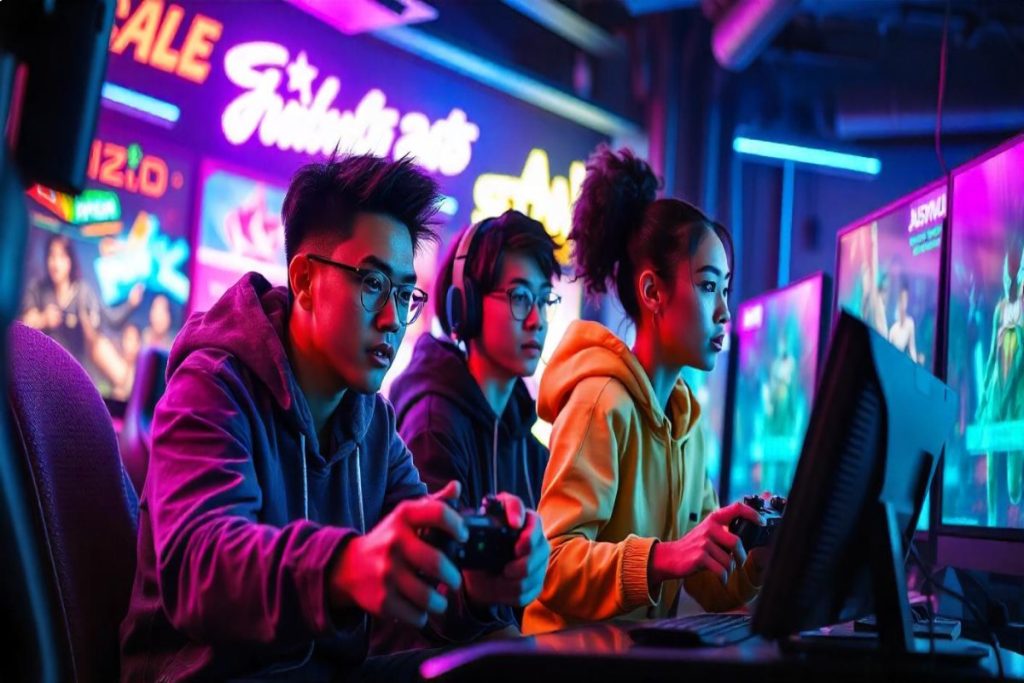
Esports evolution is reshaping technology, culture, and entertainment into a global phenomenon of gaming that resonates with audiences around the world. From humble LAN parties to stadium-sized broadcasts, the journey mirrors the growth of esports, the competitive gaming industry, and the professionalization of players. Streaming platforms and live events have accelerated esports audience growth, turning spectators into a vibrant, interactive community. Sponsorships, media rights, and structured leagues have professionalized teams and career paths, an evolution that echoes the broader arc of esports history. As it continues to expand, the ecosystem invites new talent, innovation, and cross-border collaboration that keep the momentum alive.
Viewed through a different lens, the rise of digital sports and a dynamic competitive gaming ecosystem tells a similar story. The new narrative emphasizes online tournament circuits, streaming-driven engagement, and the professionalization of players, coaches, and support staff. In this frame, terms like the growth of esports, esports history, and the global phenomenon of gaming appear as semantic siblings that help search engines understand related topics. As audiences scale and technologies evolve, universities, brands, and media partners expand their footprints in the professional gaming industry through scholarships, labs, and research. This cross-disciplinary growth supports a sustainable, inclusive landscape where aspiring pros can pursue education, training, and meaningful careers in digital competition.
Esports evolution: From LAN Parties to the Global Phenomenon of Gaming
Esports evolution began in the most human of settings: local LAN parties, coffee shops, and university basements where friends gathered to test skill, share strategies, and dream big. Those early moments planted the seeds of a broader movement and set in motion the growth of esports as a recognizable path for players and fans. This stage of the story also frames the broader arc of esports history, showing how communities built infrastructure, cultures, and expectations that would support a rapidly expanding ecosystem.
The Rise of Streaming and Global Viewership shows how technology transformed a fringe activity into a worldwide spectacle. Platforms like Twitch created a two-way bridge between competitors and audiences, enabling fans to watch, learn, and engage in real time. This streaming revolution accelerated esports audience growth and lent legitimacy to the competitive gaming industry, while contributing to a global phenomenon of gaming that transcends borders through shared narratives, rivalries, and fan communities.
The Organizational Architecture of Esports: From Teams to Franchised Leagues in the Competitive Gaming Industry
As financial stakes grew, esports teams evolved from informal crews into structured businesses with coaches, analytics departments, talent pipelines, and wellness programs. Franchise models and formal leagues introduced stability and predictability, standardizing competition and salaries while giving fans a reliable home for their favorite organizations. This shift marks a pivotal moment in esports history, enabling long-term planning, sponsorship commitments, and sustainable career pathways for players and staff alike.
The sponsorships, media rights, and the business of brackets that followed re-shaped the industry’s economic model. Brands saw an opportunity to reach highly engaged, digital-native audiences, and leagues began to monetize through consistent viewership, data-driven formats, and optimized event scheduling. With larger prize pools, universities offering esports scholarships, and new roles (analysts, content creators, event coordinators) emerging, the growth of esports became a more diversified, multi-faceted career ecosystem within the competitive gaming industry.
Frequently Asked Questions
How has Esports evolution shaped the growth of esports and the competitive gaming industry worldwide?
The Esports evolution has transformed esports from local LAN parties into franchised leagues and stadium-scale productions, fueling the growth of the competitive gaming industry. The rise of streaming platforms created a global bridge between players and audiences, accelerating esports audience growth and attracting sponsorships and media rights. This shift toward professional structures—coaches, analytics, academies—along with high-quality broadcasts, has expanded long-term viability and global reach for players, teams, and brands.
What factors in the Esports evolution have driven the global phenomenon of gaming and the esports audience growth?
Key drivers include streaming democratization, two-way engagement between competitors and fans, and increasingly professional broadcast production, all central to the Esports evolution. Global events and diverse regional scenes fuel the global phenomenon of gaming and boost esports audience growth, aided by sponsorships, media rights, and university support. Advances in technology—bandwidth, hardware, data overlays, and analytics—also improve watchability and accessibility for a broad audience.
| Aspect | Key Points | Impact / Notes |
|---|---|---|
| Rise of Streaming & Global Viewership | Streaming platforms bridged competitors and audiences; real-time analysis; democratized viewing | Built large, sustainable audiences; enabled sponsorships and media partnerships |
| Traditional Broadcasts & Production | Professional, stadium-scale events; high production values, commentary, overlays | Legitimized esports; expanded sponsorships and media rights |
| Organizational Structures & Industry Maturation | Teams become businesses; franchised leagues; coaching and analytics | Stability, long-term planning, professional careers |
| Sponsorships, Media Rights & Business Models | Brand sponsorships, lucrative prize pools, media deals | More scholarships, academies, and new job roles |
| Global Reach & Cultural Impact | Diverse regional scenes; inclusive growth; cross-cultural communities | Global audience and opportunities for players worldwide |
| Technology, Accessibility & Watchability | Better hardware, bandwidth, streaming tech; data overlays and stats | Enhanced viewing experience and accessibility for newcomers |
| Player Development & Education | Boot camps, analytics-driven coaching, formal pathways | Clear pathways to pro careers and education options |
| Challenges & Responsible Growth | Governance, integrity, health, contracts and financial literacy | Need for policies and protections to sustain growth |
| Future Trajectory & Opportunities | Cross-border collabs, ties with traditional sports, new revenue streams | Continued expansion and diversification of esports ecosystem |