Digital fashion sits at the crossroads of design and code, reshaping how we imagine, design, and wear clothing. From virtual runways to immersive virtual fashion shows, the convergence of fashion technology and storytelling expands participation and speeds up innovation. In this realm, designers blend 3D fashion design and CGI to preview garments without a physical sample, reducing waste and refining fit. AI-driven design helps generate new silhouettes and textures, while real-time customization lets customers co-create and visualize outcomes. As this evolution takes center stage, brands leverage these capabilities to engage audiences across screens, spaces, and platforms.
In this new era of virtual couture and simulation-driven design, creators explore how software and sensors translate imagination into wearable geometry. Terms like virtual apparel, CGI-based garments, and computer-generated fashion help frame the topic for audiences seeking context beyond traditional runways. The idea extends to a digital twin of a look, where textures, lighting, and motion are tested in 3D environments before any physical thread is cut. Retail experiences shift toward immersive catalogs, AR try-ons, and data-informed storytelling that resonates across devices and communities. This terminology, aligned with how search engines interpret related topics, supports clear discovery while keeping the focus on creativity and sustainability.
Digital Fashion and Immersive Runways: AI-Driven Design in the Age of Fashion Technology
Digital fashion, a fusion of design and code, is reshaping how garments are imagined and worn. As virtual runways become commonplace, AI-driven design and 3D fashion design empower designers to iterate in a pixel-perfect space, guided by fashion technology that translates ideas into digital prototypes before any fabric is cut.
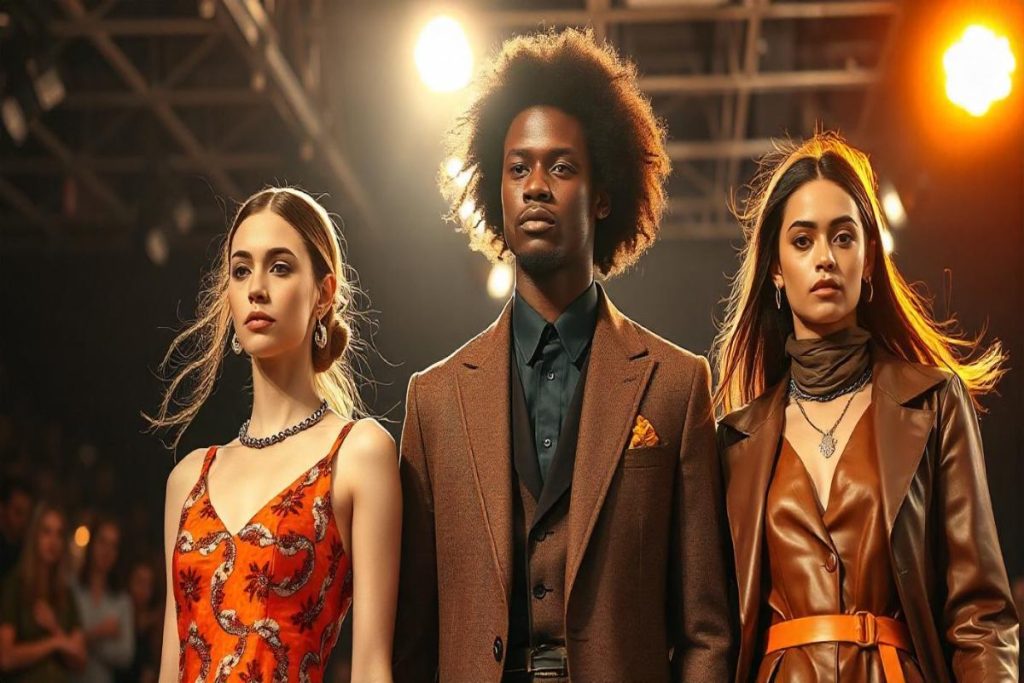
Through immersive digital fashion shows and virtual runways, brands can tell stories with data, motion, and lighting, delivering experiences that extend beyond physical shows. The use of digital twins and physics-based fabric simulations ensures that how a garment moves, shines, and drapes reads convincingly on screen, reducing waste and accelerating go-to-market timelines.
These capabilities also open access to diverse audiences, enabling co-creation and customization at scale, a direct result of the blend between digital fashion and fashion technology.
3D Fashion Design, Virtual Fashion Shows, and Sustainable Innovation in the New Style Economy
3D fashion design and digital prototyping replace traditional sample-making with precise virtual models, cutting material waste and speeding development.
AI-driven design helps generate hundreds of variations rapidly, while on-demand production and virtual fashion shows shorten supply chains and enable ethical, data-informed forecasting.
Beyond aesthetics, this shift supports sustainability and circularity, as digital garments can be remixed and shared across platforms, underscoring how fashion technology underpins resilient, multi-channel brands.
Frequently Asked Questions
How does digital fashion use 3D fashion design and AI-driven design to power virtual runways and immersive shows?
Digital fashion blends 3D fashion design, digital twins, and CGI to preview garments before a physical sample. AI-driven design generates silhouettes, color palettes, and textures quickly, enabling virtual runways to tell richer stories. This speeds prototyping, reduces waste, and expands creative exploration while bridging fashion technology with traditional craft.
What role do digital fashion shows and fashion technology play in enabling sustainable, on-demand production and virtual try-ons?
Digital fashion shows rely on CGI, fabric simulations, and AR to present garments without physical samples, enabling digital-only pieces and on-demand production. Fashion technology supports customization, digital twins for lifecycle management, and virtual try-ons, which reduce waste and emissions while expanding global reach and consumer engagement.
| Aspect | Key Points | Notes/Details |
|---|---|---|
| Introduction | Tech has become a creative loom shaping how we imagine, design, and wear fashion; digital fashion and virtual runways signal a shift from physical runways to immersive digital experiences. | Digital fashion blends fashion and technology across the garment lifecycle, from concept to consumer engagement. |
| What is digital fashion? | Clothing/accessories created digitally; uses 3D design, digital twins, fabric simulations, and CGI; includes digital-only garments for virtual spaces, games, AR. | Blurs line between digital and physical; enables bold experimentation and rapid prototyping without physical samples. |
| 3D fashion design & digital prototyping | Build, tweak, and morph garments in 3D; physics-based fabric simulations; faster design cycles; reduces waste; supports co-creation and on-demand production. | Accelerates iteration, enables local customization, and connects design to sustainable production. |
| AI-driven design & generative processes | AI generates silhouettes, palettes, textures; generative design offers numerous variations; aids trend forecasting and demand planning; hybrid human–machine workflow. | Enhances creativity while aligning with brand DNA and market needs. |
| Fabric realism & lighting | High-fidelity shaders, textures, and lighting models simulate material behavior; crucial for virtual runways and social feeds. | Realism drives emotional resonance and effective merchandising. |
| Virtual runways & immersive experiences | Digital stages with avatars, looping landscapes, and interactive audiences; enables global access and flexible staging of looks. | Runways become experiences, not single events; cost and logistical advantages. |
| Virtual fashion shows & social impact | Fewer physical resources, lower carbon footprint; reaches gaming/social audiences; raises questions of ownership, authenticity, and value. | Engages younger audiences while prompting discussion on digital ownership and monetization. |
| Sustainable innovation & circularity | Digital garments can persist in the cloud; supports resale, remixing, lifecycle tracking via digital twins. | Extends wardrobes virtually; supports sustainable consumption models. |
| Business implications: storytelling, customization & distribution | Immersive narratives, virtual try-ons, shoppable AR; personalized options; faster lead times; global reach; digital drops alongside physical lines. | Transforms marketing, product strategy, and supply chain with real-time data. |
| Consumer experience | Shoppers seek interactivity, customization, instant access; digital wardrobe travels across platforms. | Creates multi-platform, expressive fashion experiences. |
| Challenges | Complex tech stack, robust 3D skills, AI ethics, data governance, copyright/regulatory considerations. | Requires cross-disciplinary collaboration and thoughtful policy-making. |
Summary
Conclusion: Digital fashion and virtual runways signal a pivotal moment in how we conceive clothing, craftsmanship, and consumer experience. Digital fashion blends tailoring with software to unlock experimentation, sustainability, and inclusive participation. Brands can tell immersive stories, enable personalization, and accelerate distribution, while consumers gain a dynamic digital wardrobe that travels across devices and ecosystems. As virtual runways grow more sophisticated, digital fashion envisions a future where style and technology are inseparable, expanding how we wear, buy, and imagine the clothes of tomorrow.