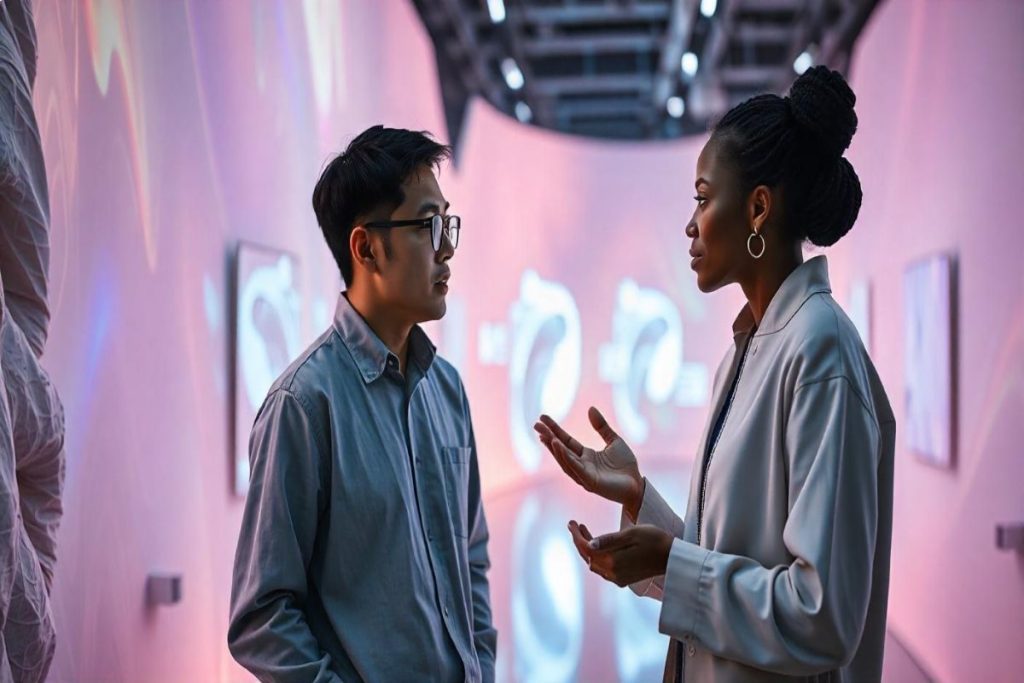
Digital Culture in 2025 is not a distant dream but the day-to-day reality many of us experience in our personal and professional lives. It serves as an umbrella for how digital tools, platforms, and online learning trends intersect with living, working, and learning. In 2025, technology centers on ecosystems – interconnected devices, data-driven insights, and human-centered design that makes complex systems feel approachable, with AI in education acting as a supportive co-pilot. This shift goes beyond faster connections or newer apps, reimagining how we socialize, collaborate, and cultivate knowledge in spaces where digital and physical blend seamlessly, shaping the future of work. As you explore, you’ll see how digital culture 2025 informs everyday routines and inclusive technology that serves a broad range of users.
A closer lens on this digital era reveals a culture shaped by connected devices, data-informed decision making, and user-friendly architectures. Rather than focusing on gadgets alone, the conversation centers on how people learn, work, and interact within a globally connected, privacy-respecting ecosystem. Think of an evolving landscape where remote and hybrid work, adaptive learning platforms, and stackable credentials redefine career paths and lifelong education. In this language, terms such as digital literacy, ethical AI, inclusive design, and flexible learning pathways surface from different angles, guided by Latent Semantic Indexing principles.
Digital Culture in 2025: How It Reframes the Future of Work and Online Learning Trends
Digital Culture in 2025 blends everyday life with work, education, and social interaction through interconnected technologies. The result is a more flexible, data-informed, and human-centered ecosystem where asynchronous collaboration, remote and hybrid arrangements, and intelligent tools help people coordinate across time zones and disciplines. This shift emphasizes not just faster connections, but a holistic rethinking of routines, well-being, and ethical technology use, making digital practices feel natural rather than burdensome.
As learning moves online, the landscape becomes defined by adaptive platforms, AI-driven personalization, and microcredentials that map to real-world skills. Online learning trends favor modular, stackable certificates and flexible programs that fit busy lives, while learning analytics and immersive environments bring complex topics to life. This convergence underlines the future of work as a continuum where continuous skill development is expected, and where privacy-conscious innovation supports inclusive access for a broad range of users.
Practical implications center on actionable steps: cultivate ongoing learning aligned with career goals, strengthen digital literacy and privacy discipline, and design collaborative workflows that respect different time zones and work styles. Organizations that embrace humane leadership, transparent communication, and digital wellness are better positioned to thrive in Digital Culture in 2025, balancing efficiency with empathy and lifelong learning.
AI in Education and the Future of Work: Harnessing Online Learning Trends for Organizational Resilience
AI in Education acts as a co-pilot in the learning journey, offering instant feedback, scaffolding difficult tasks, and personalizing content to match a learner’s pace and interests. Intelligent tutors, practice recommendations, and learning analytics help identify gaps and tailor practice problems, while educators maintain mentorship, critical thinking, and ethical reasoning. This dynamic creates a learning ecosystem that supports diverse learners—from new graduates to mid-career professionals seeking refreshers—without sacrificing human judgment.
Within organizations, AI-enabled tools augment decision-making, streamline collaboration, and enable more responsive, outcomes-based work. The future of work is strengthened by digital platforms that support remote and hybrid teams, asynchronous communication, and transparent performance metrics. At the same time, a focus on data governance, cybersecurity, and ethical considerations ensures that AI-enhanced education and work practices remain privacy-preserving and inclusive, with design choices that account for accessibility and user diversity.
Together, AI in Education and online learning trends drive resilient workforces by aligning credentialing with real-world needs, supporting lifelong learning, and reducing friction between learning and application. By integrating AI thoughtfully, organizations can sustain growth while nurturing well-being, privacy, and inclusive participation in a rapidly evolving digital culture.
Frequently Asked Questions
How is Digital Culture in 2025 transforming the future of work through asynchronous collaboration and flexible work models?
Digital Culture in 2025 enables seamless live-work-learn integration, with asynchronous collaboration, time-zone aware workflows, and humane leadership. AI-assisted tools augment decision-making while privacy, well-being, and inclusion guide design. For individuals, this means choosing when and where to contribute, and for organizations, establishing clear expectations, transparent communication, and resilient processes that respect personal rhythms.
What online learning trends and AI in education are shaping Digital Culture in 2025 for learners and organizations?
In Digital Culture in 2025, online learning trends emphasize flexibility, microcredentials, and stackable certificates supported by adaptive platforms and learning analytics. AI in education acts as a co-pilot—providing instant feedback, personalized content, and guided practice—while educators maintain mentorship and ethical standards. The result is accessible, lifelong learning that aligns with career goals and inclusive, privacy-conscious design.
| Aspect | What it Means | Impact / Examples |
|---|---|---|
| Live-Work-Learn Continuum | Seamless integration of personal, work, and learning through technology; flexible routines and asynchronous collaboration; humane leadership. | Enhanced productivity, sustainable work-life balance, and coordinated goals across teams. |
| AI-enabled agents and automation | AI augments decision-making, personalizes learning, and handles routine tasks; acts as a learning co-pilot. | Increases efficiency and adaptability, while raising considerations for ethics and privacy. |
| Diversification of learning pathways and credentials | Microcredentials and stackable certificates enable continuous, targeted skill-building rather than only traditional degrees. | Signals practical capabilities to employers and supports lifelong learning. |
| Digital literacy, ethics, and well-being | Emphasis on data literacy, privacy-by-design, cybersecurity, and mental and physical well-being. | Builds trust, reduces risk, and promotes responsible technology use. |
| Inclusion and accessibility | Accessibility features, multilingual support, and affordable technology access. | Expands participation and closes digital divides across diverse user groups. |
| Practical implications for individuals and organizations | Actionable steps: ongoing learning, privacy discipline, collaborative tools, digital well-being, inclusivity, and ethical tech use. | Guides strategic choices and everyday practices to thrive in Digital Culture in 2025. |
| Online learning trends | Flexible, accessible, personalized learning with AI-driven platforms and microcredentials. | Enables lifelong learning and workforce adaptability. |
Summary
Digital Culture in 2025 describes a shift where technology becomes an integrated cultural framework rather than a collection of tools. It reshapes how we live, work, and learn by weaving AI-enabled insights, flexible schedules, and human-centered design into everyday routines. This transformation emphasizes well-being, privacy, and inclusion as core values, while encouraging continuous learning and collaborative innovation. Organizations that adopt flexible work models, accessible learning pathways, and privacy-forward technologies can foster resilient teams and inclusive experiences. In this evolving landscape, the digital culture of 2025 champions thoughtful use of technology to augment human capabilities, sustain creativity, and strengthen community participation.