Culture trends 2025 are reshaping how we live, learn, work, and connect across borders, signaling a shift that extends beyond fashion or media to touch everyday decisions, urban routines, and the rituals we share with colleagues, neighbors, and families; this evolution invites readers to rethink what creativity means when networks, platforms, and cultural exchange operate as a single, global ecosystem. As this year unfolds, global culture trends intersect with local traditions, creating a dynamic tapestry where cross-border collaborations are seeded by digital networks, yet nourished by region-specific narratives, languages, and crafts that give communities pride and influence over what ends up on screens, stages, and store shelves. The rise of digital culture in 2025 blends with everyday life, giving creators and brands new tools for expression, enabling participatory storytelling, data-informed design, and adaptive experiences, while audiences refine their roles as curators, co creators, and critics who shape the pace, tone, and topics of cultural conversations. The dialogue around art and culture trends 2025 reveals shifts in authorship and collaboration, as immersive media, AI-assisted ideation, and multisensory performances invite audiences to engage more deeply, while awareness pushes institutions toward inclusive practices, transparent governance, and new models of funding and mentorship. Against this backdrop, cultural globalization 2025 is not a single path but a spectrum of exchange—connecting diasporic communities with local makers, encouraging sustainable, ethical production, and prioritizing accessibility—so educators, brands, and civic leaders can craft strategies that honor diversity and resilience in a rapidly evolving cultural landscape.
Culture trends 2025: Global-Local Dynamics in Creative Expression
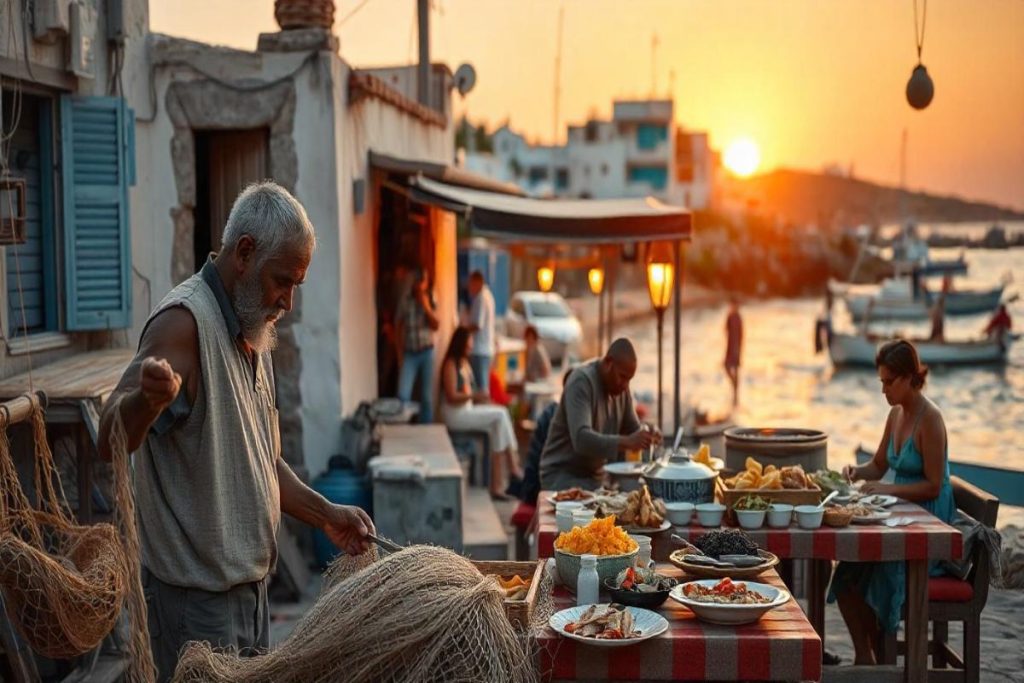
Culture trends 2025 are shaped by the ongoing tension between global culture trends and local flavor. Cross-border collaborations, film and music blends, and fashion that pairs global silhouettes with local textiles illustrate cultural globalization 2025 in action. Artists and brands increasingly anchor their work in art and culture trends 2025 while adapting to regional identities, allowing universal storytelling to coexist with place-based meaning. In this climate, societal changes 2025 feed demand for authentic narratives, inclusive representation, and accountable creative practices that resonate across borders.
Institutions and educators respond by balancing scale with locality. Global culture trends set expectations for accessibility, transparency, and ethical storytelling, while local communities maintain handcraft traditions and vernacular knowledge. This hybrid culture creates new opportunities for collaboration between AI-facilitated workflows and human judgment, enabling experimentation without erasing craft. As a result, the evolution of culture trends 2025 asks: who authors culture, how is value created, and what counts as originality in a globally connected world?
Digital Culture in 2025: Immersion, Innovation, and Ethical Practice
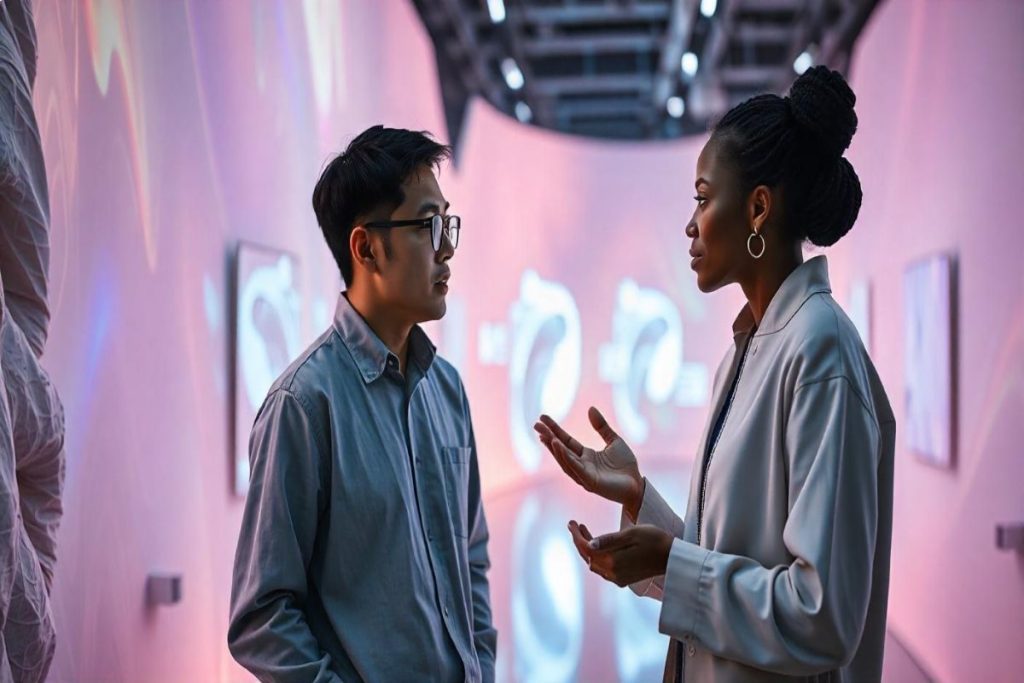
Digital culture in 2025 pervades museums, festivals, and everyday brand experiences. AR, VR, and mixed reality move from novelty to integral tools for immersion, education, and empathy, aligning with global culture trends and cultural globalization 2025. Audiences expect experiences that are shareable across platforms and spaces, blurring lines between physical and digital environments while elevating art and culture trends 2025 through new modalities.
However, this shift brings ethical considerations to the fore. Digital ethics, privacy, and transparency become core criteria for platform design, data use, and algorithmic curation. Societal changes 2025 push brands and institutions to demonstrate responsible stewardship and to empower users with digital literacy. By prioritizing consent, trust, and inclusive access, organizations can harness immersive media and AI-assisted creativity in ways that reinforce well-being and cultural diversity rather than exploitation.
Frequently Asked Questions
How should organizations adapt to culture trends 2025, incorporating global culture trends and cultural globalization 2025, in strategy and operations?
Culture trends 2025 reflect how people live, learn, work, and connect across borders. Organizations should blend universal storytelling with local resonance, embrace AI-aided creativity and collaboration, and invest in immersive experiences, sustainability, and inclusive practices. Prioritizing transparency, digital ethics, and community impact helps align with global culture trends and cultural globalization 2025 while meeting evolving consumer expectations. This balanced approach supports resilient brands and effective education and outreach in a connected world.
What is the impact of digital culture in 2025 on media, content creation, and consumer expectations within art and culture trends 2025?
Digital culture in 2025 blends online life with everyday interactions, shaping how audiences discover, share, and value authentic storytelling. Brands should emphasize ethical data use, clear consent, and trust, while leveraging immersive media and AI-assisted creativity to enhance engagement. The trend intersects with culture trends 2025, global culture trends, and cultural globalization 2025 by widening access to diverse voices and cross-border collaboration, while underscoring the need for responsible curation and inclusive representation.
| Trend | Key Points |
|---|---|
| Trend 1: AI aided creativity and collaboration | AI acts as a creative partner to accelerate ideation, draft concepts, imagery, and even music; human judgment remains essential; enables talent in underrepresented communities; raises questions about authorship and originality. |
| Trend 2: Global culture trends meet local flavor | Global platforms enable cross-border collaborations and blended genres, while local authenticity and textiles keep traditions alive; success relies on universal storytelling plus region-specific context. |
| Trend 3: Immersive experiences and the new media mix | AR, VR, and mixed reality are embedded in museums, festivals, and brands to deepen engagement; experiences use multi-sensor feedback to teach and connect, dissolving lines between traditional and interactive media. |
| Trend 4: Sustainability as cultural capital | Sustainable practices are mainstream, with responsible sourcing, transparent supply chains, and circular design; brands are rewarded for accountability and community impact; eco-friendly rituals become normal. |
| Trend 5: Diversity, equity, and inclusion in media and workplaces | More diverse voices gain access to audiences; inclusive policies, equitable funding, and mentoring networks cultivate talent; authentic representation becomes a core expectation in global culture. |
| Trend 6: Wellness, mental health, and mindful living | Well-being takes center stage in media, product design, and workplaces; brands highlight rest and balance; wellness travel and self-care practices rise; life becomes more compassionate. |
| Trend 7: Digital ethics, privacy, and trust | Privacy concerns drive clear consent, ethical data practices, and accountability for algorithms; digital literacy empowers individuals; trust and ethical stewardship become competitive advantages. |
| Trend 8: Food culture and culinary storytelling | Plant-forward menus, fermentation, and sustainable protein redefine dining; origin stories and transparency in sourcing guide choices; cross-cultural inspiration links migration with shared futures. |
| Trend 9: Fashion, design, and ethical consumption | Durability, repairability, and circular economy models shape fashion; upcycling, modular garments, and rental platforms extend lifecycles; consumers scrutinize supply chains and support local makers. |
| Trend 10: Community, maker culture, and local collaboration | Local maker spaces and neighborhood projects foster collaboration, tool-sharing, events, and support for local artists; place-based networks strengthen social cohesion and nurture emerging talent. |