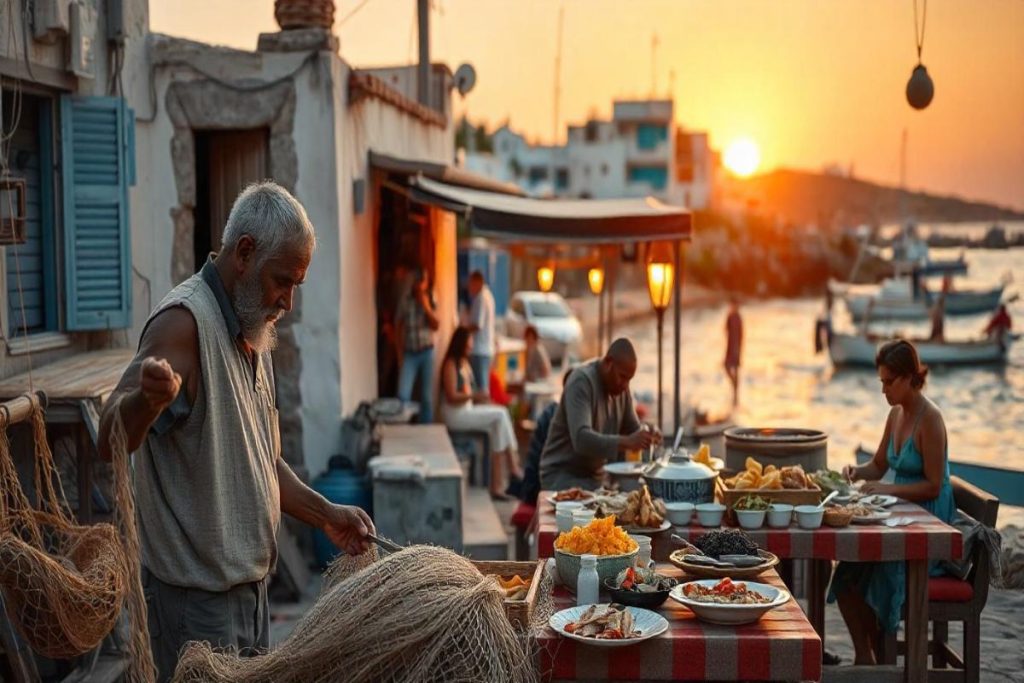

Culture preservation is an active, living practice that keeps communities connected to their roots while inviting them to participate in a rapidly changing world. This introduction highlights why preserving traditions matters, guiding communities to safeguard living practices without stifling change. By weaving together memory, language, crafts, and ritual, it strengthens social bonds and equips younger generations to contribute thoughtfully. Smart engagement with modern resources helps communities document and adapt practices using inclusive methods and scalable tools. When communities participate in preserving traditions and, through digital preservation of culture, expand access while protecting local control and authenticity across generations and regions.
Viewed through a broader lens, the topic resembles cultural continuity and the stewardship of shared memories, where communities actively safeguard living knowledge. Safeguarding intangible heritage—songs, languages, and rituals—helps communities weather displacement and change while retaining unique identities. Rather than a static archive, this perspective emphasizes participatory memory, language vitality, and craft transmission as engines of resilience. By foregrounding community-led safeguarding, policymakers, educators, and practitioners can align resources with local needs, fostering inclusive cultural ecosystems. In this light, preserving culture becomes a dynamic process of adaptation, collaboration, and storytelling that fuels innovation without erasing roots.
Culture preservation: Bridging Generations through Tradition, Technology, and Community
Culture preservation is a living, communal practice that binds generations by keeping traditions relevant in a rapidly changing world. Preserving traditions becomes a social glue, strengthening shared identity as communities navigate climate shifts, migration, and digital upheavals. By embracing the concept of culture preservation and deploying digital preservation of culture, families and local groups can safeguard songs, rituals, and stories while ensuring broader access for members who cannot participate in person.
This approach supports cultural heritage protection and heritage conservation by safeguarding intangible heritage—the living expressions of knowledge, skills, and values passed across generations. Through inclusive community initiatives, elders mentor youth, artisans pass on craft techniques, and language practices are renewed. Across this landscape, tradition preservation strategies emphasize participation, reciprocity, and respect for sovereignty over cultural knowledge, ensuring living practices evolve thoughtfully rather than becoming static relics.
Practical Pathways for Tradition Preservation Strategies in Sustainable Cultural Heritage Protection
Documenting everyday practices, supporting artisans, and integrating traditional knowledge into modern education embody practical tradition preservation strategies. Community involvement is central: it helps identify meaningful traditions, assess at-risk knowledge, and document practices without erasing spontaneity. Digital preservation of culture offers scalable means to store repertoire, oral histories, recipes, and ritual steps with careful metadata, enabling open access and remote learning while preserving living contexts.
Policy, governance, and ethical engagement sustain heritage conservation by aligning incentives with the needs of communities. When governments and funders recognize intangible heritage, support local crafts, and fund respectful documentation projects, they create an enabling environment for culture preservation. Balancing commercialization with preservation, advancing multilingual education, and promoting sustainable tourism helps ensure that heritage protection remains people-centered and resilient to future change.
Frequently Asked Questions
How does culture preservation leverage preserving traditions and digital preservation of culture to protect intangible heritage in a rapidly changing world?
Culture preservation in the digital age hinges on preserving traditions while leveraging digital preservation of culture to safeguard intangible heritage. Communities document songs, languages, and rituals with consent, attach robust metadata, and provide remote access through digital archives. This approach keeps living practices vibrant, supports intergenerational learning, and ensures authenticity and accessibility for researchers and community members alike.
What are effective tradition preservation strategies within culture preservation to balance cultural heritage protection, heritage conservation, and community-driven innovation?
Effective tradition preservation strategies within culture preservation prioritize inclusive planning and governance. Actions include safeguarding cultural heritage protection through legal recognition, supporting artisans, and maintaining spaces for performances, while applying heritage conservation practices such as careful documentation and ethical knowledge sharing. By enabling contemporary expressions alongside core practices, communities can protect traditional knowledge and welcome innovation for both local and global audiences.
| Aspect | Key Points |
|---|---|
| Active, living practice | Culture preservation is an active, living process that keeps communities connected to their roots while adapting to change. |
| Generational bridge | Bridges generations; strengthens shared identity and supports mental health, civic engagement, and intergenerational solidarity. |
| Cultural heritage protection | Safeguards languages, crafts, rituals; preserves intangible heritage; maintains spaces for performances and learning. |
| Practical strategies | Community involvement; documentation; digital preservation; keeps living culture participatory rather than static. |
| Education | Inclusive curricula; critical thinking about heritage; teaching values and the stories behind traditions. |
| Policy & governance | Enabling environments; recognition of intangible heritage; support for local crafts; sustainable tourism; ethics and consent. |
| Technology & creativity | Digital preservation enables risk triage and access; balance innovation with authenticity; supports language revitalization. |
| Challenges | Urbanization, migration, global media pressures; environmental threats require adaptive, authentic approaches. |
| Case studies | Language revival programs, designer-craft collaborations, public archives; emphasizes listening to communities and safeguarding sovereignty. |