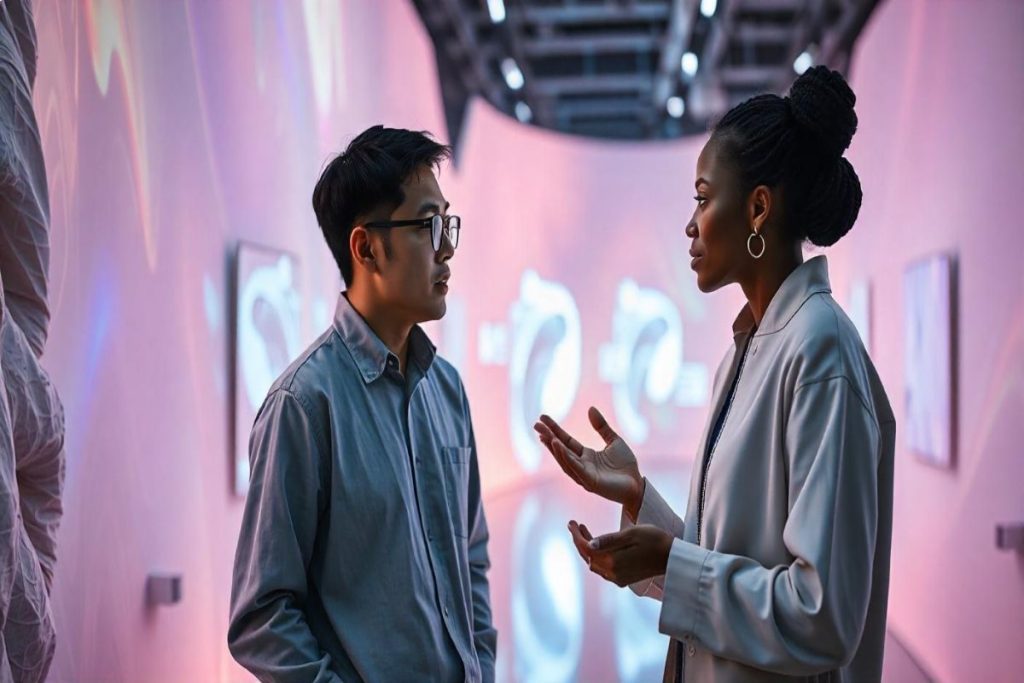
Culture in the digital age is not a static backdrop but a living practice that unfolds through devices, platforms, and human creativity, constantly reconfiguring how we perceive community, meaning, and belonging in everyday life, for diverse audiences worldwide. The rapid spread of smartphones, streaming services, and intelligent assistants has transformed how we communicate, learn, work, and form meaning, a shift driven by technology and identity as much as by design choices, data practices, and platform incentives. In this landscape, digital culture emerges from a continual negotiation among individuals, communities, and institutions, shaped by algorithmic curation, policy decisions, and the ways we remix songs, memes, and memories across screens. As ideas, values, and identities circulate across networks, online communities become spaces for belonging, collaboration, and shared meaning, while moderators, designers, and users co-create norms that can either empower diverse voices or suppress nuance. Together, these dynamics influence digital identity and the ways we present ourselves, relate to others, and participate in workplaces, classrooms, and public life, underscoring how culture, technology, and society are inseparably intertwined in the digital era; for educators, marketers, policymakers, and technologists, this means reevaluating narratives about privacy, consent, and inclusion as part of everyday practice, and accountability in digital life; a thoughtful approach can balance innovation with human dignity.
Viewed through the lens of a networked society, culture in the digital era becomes a pattern shaped by platforms, data flows, and collective imagination across devices. Keywords and related concepts such as cyberculture, online communities, and digital life illuminate how technology mediates belonging, communication, and identity from multiple angles. This LSI-informed framing helps readers connect ideas about culture, technology, and social practice across settings like education, work, and civic life, encouraging nuanced literacy and critical reflection.
Culture in the digital age: How digital culture, technology and identity shape online communities
Culture in the digital age is a living practice shaped by devices, platforms, data flows, and human creativity. Everyday actions—posting, sharing, remixing—travel across online communities and borders, turning into cultural work that redefines meaning in real time. This makes digital culture less a fixed backdrop and more a dynamic repertoire where technology and identity intersect, as people craft digital identities that signal belonging, credibility, and aspiration within connected networks.
As algorithms influence what we see and how we connect, culture becomes a negotiated process across platforms and communities. People participate in collaborative projects, memes, and storytelling, co-creating shared meanings while navigating privacy, consent, and digital literacy. The result is a vibrant, hybrid landscape where local flavors meet global trends, and where online communities amplify voices that might otherwise remain unheard.
Culture in the digital age (continued): How online identities and communities shape daily life and learning
In everyday life, technology and identity are intertwined through digital identity layers—profiles, bios, avatars, and footprints—that mediate social and professional perception. This curation is not vanity alone but a practical strategy for navigating information flows, opportunities, and relationships. Online presence becomes a gateway to communities, resources, and roles, influencing how people present themselves and how others respond to them.
Education and work further embed digital culture into routine practice. Digital literacy, ethical design, and responsible participation help individuals move confidently through online communities, classrooms, and workplaces. By recognizing how content is created, moderated, and consumed, learners and professionals can contribute to more inclusive, participatory environments where technology serves human connection and collective learning.
Frequently Asked Questions
How does digital culture shape online communities and digital identity in the culture in the digital age?
Digital culture shapes how we form and interact within online communities and how we present our digital identity. In the culture in the digital age, platforms enable rapid connection while algorithms influence visibility, making media literacy and mindful participation essential. Our digital identities—profiles, avatars, and footprints—guide access to communities, opportunities, and social perception, underscoring the link between technology and identity.
What responsibilities accompany technology and identity in online communities within the culture in the digital age?
Technology and identity in the culture in the digital age require thoughtful governance, privacy awareness, and critical media literacy. Online communities thrive when inclusive norms, transparent moderation, and ethical design guide participation, content, and data use. By cultivating digital literacy and responsible digital culture, individuals can express authentically while safeguarding privacy and building trust across networks.
| Section | Key Points |
|---|---|
| Introduction. | Culture in the digital age is dynamic, shaped by devices, platforms, data, and human creativity; smartphones, social media, streaming, and intelligent assistants transform how we communicate, learn, work, and form meaning; culture is a negotiated practice among individuals, communities, and institutions defined by technology; the lens of Culture in the digital age helps explain how ideas, values, and identities are produced and contested across networks. |
| Understanding culture in the digital era. | Technology acts as conduit and co-creator; devices enable rapid communication and instant access; platforms and algorithms steer attention and shape what counts as culturally meaningful. Online participation, memes, and collective narratives continually reimagine shared meaning. Digital culture blends local customs with global trends to produce hybrid expressions. |
| Technology and everyday culture. | Tech permeates daily rituals; digital tools turn ordinary moments into meaningful acts (group chats, playlists, tutorials). Digital culture results from collective practice—how we use tech, what we value, and what we preserve or transform. It reshapes language, humor, and storytelling; memes and emojis travel and mutate; signaling belonging, status, and credibility; digital labor includes content creation, moderation, and curation. |
| Technology and identity. | Identity is expressed through digital identity layers: profiles, bios, avatars, and footprints; they shape perceptions and access to communities, resources, and roles. The curation is practical, not vanity, aiding navigation of information and relationships. Online-offline interplay makes identity fluid; experimentation with self-expression; potential misalignment with offline expectations; data collection and automated profiling shape perceptions without consent. Digital literacy is essential for healthy, empowered self. |
| Online communities and shared identities. | Online communities offer spaces for connection, collaboration, and meaning; foster belonging beyond borders; mutual aid and knowledge exchange; but can echo biases, misinformation, or become echo chambers. Participatory culture accelerates cultural evolution, yields diverse voices, and democratizes production; requires critical media literacy and thoughtful governance. Moderation policies and norms shape inclusivity and who finds a voice. |
| The power of memes and media literacy. | Memes are central vehicles for cultural transmission; a meme distills complex ideas into a shareable artifact; rapid meme lifecycles spread ideas and invite reinterpretation. Media literacy helps analyze memes for context, bias, and credibility; understanding memes helps distinguish creativity from manipulation and participate more consciously. |
| Globalization and localization of culture. | Technology enables global flow of ideas and culture, while localization reinterprets global influences within local contexts. The result is a tapestry of hybrid cultures where local identities coexist with global trends. This blending raises questions about preservation, appropriation, and respect for diverse voices. Educators and policymakers can nurture intercultural understanding and critical inquiry to strengthen digital culture. |
| Education, work, and culture in the digital era. | Digital culture shapes classrooms and workplaces; collaboration, digital citizenship, and critical inquiry prepare learners for information ecosystems. In work, teams coordinate across time zones, share knowledge via cloud platforms, and design products for a global audience. Mindful leadership values transparency, inclusivity, and lifelong learning; responsible technology use, digital etiquette, privacy, and ethical innovation. |
| Challenges and opportunities. | Privacy concerns, data security, algorithmic bias, and misinformation require robust digital literacy and governance. Technology also opens participation, creativity, and empowerment; networks, education and healthcare access, and scalable advocacy. To harness opportunities, collaboration is needed to foster inclusive, responsible digital cultures that celebrate diversity and privacy while promoting critical thinking. |
| The future of culture in the digital age. | AI, virtual reality, and immersive media will continue shaping identities and expression. The challenge is to ensure innovations strengthen human connection while preserving accountability, dignity, and respect for difference. Education systems, platform design, and policymakers shape digital culture to be humane and participatory. Prioritizing digital literacy, ethical design, and collaborative governance will strengthen collective identity while honoring diverse experiences. |
| Conclusion. | Culture in the digital age is an ongoing practice of making meaning through technology; as digital culture, online communities, and digital identity intertwine, our shared identities are formed and reformulated in real time. Ongoing attention to inclusion, privacy, and critical media engagement will help ensure technology serves curiosity, care, and community, resulting in deeper understanding, stronger connections, and an equitable shared identity across cultures and borders. |
Summary
Culture in the digital age is a living process of meaning-making shaped by technology, networks, and human creativity. It encompasses how we communicate, learn, work, and form identities through online communities, digital identities, memes, and hybrid cultural forms. Technology acts as both conduit and co-creator, enabling rapid exchange while guiding attention and shaping what counts as culture. As globalization meets localization, cultures blend, adapt, and innovate within ethical boundaries, requiring media literacy, privacy awareness, and thoughtful governance. In this era, Culture in the digital age can foster inclusive participation, critical curiosity, and shared identities that transcend borders, contributing to more humane and connected societies.