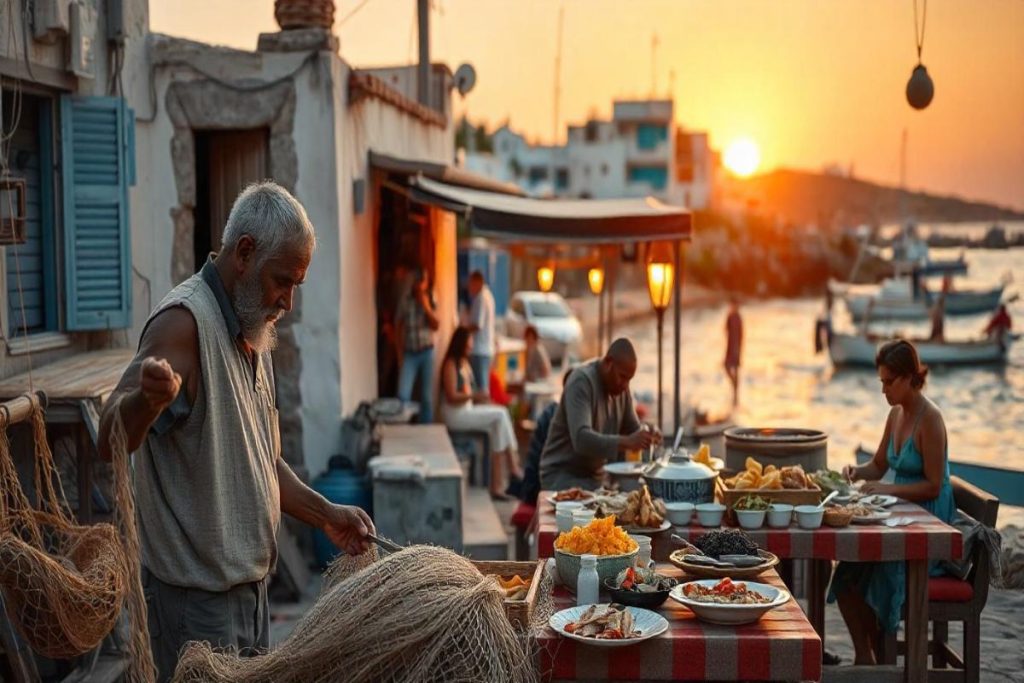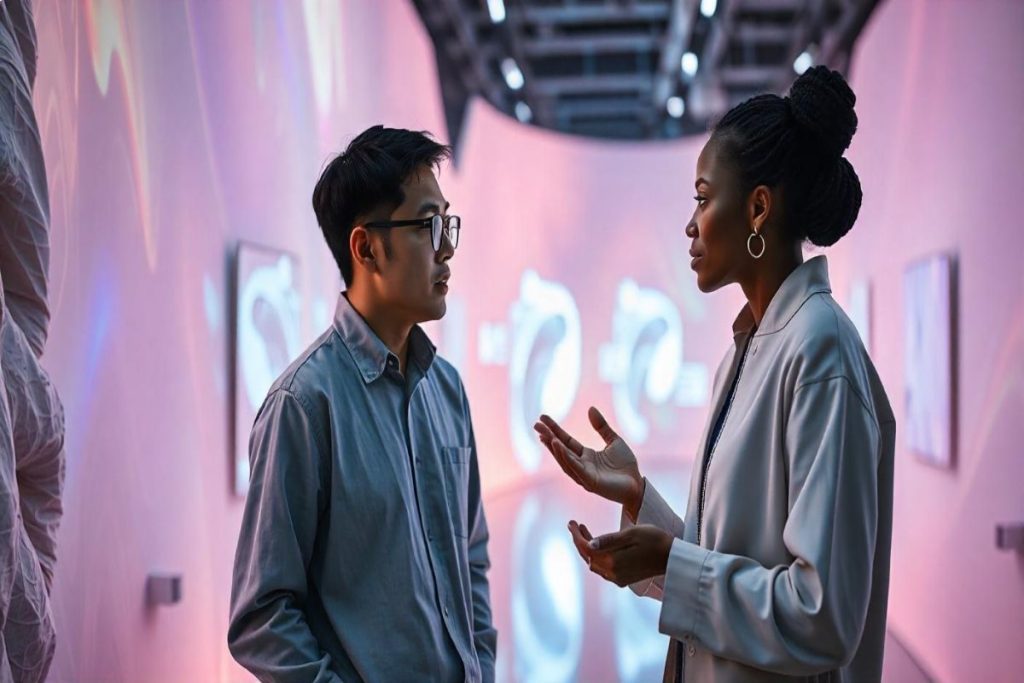
Culture and Creativity are in a constant, mutually reinforcing dance. Culture-driven progress emerges when communities set inquiry, value systems, and collaborative norms that invite experimentation. Creativity translates those cultural cues into new ideas, forms, and tangible solutions that communities can feel in everyday life. This dynamic helps explain how institutions nurture talent, how artists, scientists, and makers translate shared meanings into progress, and how societies evolve. Exploring this relationship reveals why culture remains a powerful engine for both artful expression and practical invention.
Viewed through the lens of latent semantic indexing, the topic unfolds as the intersection of tradition and invention, where heritage informs contemporary problem solving. Rather than treating culture as a static backdrop, we examine dynamic signals such as community norms, rituals, and shared stories that steer how ideas are created, debated, and scaled. Using terms like enduring traditions, social narratives, and creative ecosystems helps explain why some concepts travel across disciplines—from art to engineering—while others remain deeply local. When organizations cultivate curiosity, open collaboration, and inclusive participation, they foster resilient innovation while honoring distinctive identities.
Culture and Creativity in Practice: How Culture Shapes Innovation
Culture and Creativity are in a continuous, mutually reinforcing dance. Culture sets the stage for inquiry, value systems, and collaborative norms, which in turn influence what problems are deemed worth solving and which tools are considered legitimate. This dynamic shapes the trajectory of both art and technology, as ideas emerge from a shared cultural context and find expression through creative practice.
When communities celebrate curiosity, risk-taking, and diverse viewpoints, creativity flourishes and translates into tangible innovation. The interplay between culture and creativity becomes visible in teams that value open dialogue, interdisciplinary collaboration, and iterative experimentation. In this light, creativity and culture become co-authors of new forms, products, and ways of seeing the world, while culture and innovation evolve together.
Institutions matter as cultural stewards: museums, galleries, schools, and festivals create spaces where art, science, and design intersect. This culture and art interface nurtures talent, supports collaborative learning, and enables artists and researchers to translate shared meanings into novel innovations. In such ecosystems, creativity and culture reinforce each other, producing social and economic benefits and expanding the horizons of what culture can become.
Measuring Cultural Influence on Innovation: From Context to Impact
Evaluating the impact of culture on creativity requires both qualitative insight and quantitative indicators. Researchers examine how cultural diversity, arts education, and community networks correlate with creative output and economic vitality, while recognizing that intangible factors like empathy, curiosity, and belonging also drive innovation. In this way, cultural influence on innovation is best understood as a spectrum that blends numbers with the more elusive qualities that nourish creative work.
Globalization adds complexity by exposing designers and makers to a wider cultural palette, spurring hybrid forms and cross-cultural collaborations. Yet risks of homogenization remind us that resilient economies balance global exchange with the preservation of distinctive identities. By studying culture and innovation side by side, policymakers and organizations can cultivate ecosystems where creativity thrives and culture informs sustainable progress, leveraging culture and art to expand opportunities and broaden the reach of innovation.
Ultimately, a healthy culture-centered approach to R&D and creative practice requires intentional policy, inclusive access to education and resources, and platforms for experimentation. When culture and creativity are supported in tandem, communities can translate cultural insights into entrepreneurship, research breakthroughs, and social impact—illustrating how the broader social fabric shapes and is reshaped by innovation, art, and technology.
Frequently Asked Questions
How do culture and creativity interact to drive innovation in modern societies?
Culture and creativity are mutually reinforcing: culture sets the frame for questions and collaboration, while creativity translates those cues into new ideas, products, and practices. This interaction accelerates culture and innovation by shaping risk tolerance, problem framing, and the tools considered legitimate. Supportive institutions, arts education, and open dialogue help communities sustain creative ecosystems where artists, scientists, and makers translate shared meanings into tangible progress.
What role do culture and art play in shaping creativity and influencing innovation across communities?
Culture and art provide the symbols, stories, and practices that artists reinterpret or celebrate, guiding what counts as meaningful questions and solutions. By connecting cultural expression with experimentation—through galleries, museums, festivals, and education—creativity and culture flourish, driving innovation across communities. Diverse cultural inputs strengthen creativity, and inclusive collaboration plus supportive policy amplify the cultural influence on innovation and its social and economic impact.
| Key Point | Summary | Notes/Examples |
|---|---|---|
| The dynamic relationship between culture and creativity | Culture provides context, values, and norms; creativity translates cultural cues into new ideas, forms, and solutions; they reinforce each other. | From Introduction: culture and creativity are in a constant, mutually reinforcing dance; art drives societal progress. |
| Culture as catalyst and constraint | Culture shapes what problems are worth solving, which tools are legitimate, and who participates; it can enable risk-taking or suppress it. | Main Body: curiosity and risk-taking are nurtured in some cultures and dampened in others. |
| Norms, rituals, and everyday practices | Queries, collaboration, and problem selection flow from cultural expectations; collective problem-solving leads to cross-disciplinary teams and iterative design. | Examples include collaborative projects and iterative processes fostered by shared norms. |
| Historical case studies | Renaissance Europe, wabi-sabi in Japan, African/Caribbean diasporas, and Indigenous knowledge influence modern creativity. | Demonstrates how culture molds creativity across time and space. |
| Culture and art relationship | Culture provides symbols and motifs; artists reinterpret them, expanding the vocabulary of creativity and shaping how art is produced and experienced. | Highlights how broad cultural palettes fuel innovation in art and practice. |
| Institutions, education, and policy | Museums, galleries, theaters, and festivals create spaces for dialogue; arts education and supportive policies sustain collaboration and tangible benefits. | Education systems and policy environments nurture talent and cooperation between culture and creativity. |
| Culture as driver of innovation | Open-source cultures, design thinking, and user-centered practices show how culture guides the pace and direction of technological progress. | Emphasizes ethics, equity, and risk as factors shaping adoption and impact. |
| Globalization and hybridity | Global inputs spur novelty through cross-cultural collaboration while risking homogenization; resilient economies balance exchange with identity preservation. | Encourages diverse traditions to enrich creativity and innovation. |
| Measuring impact | Qualitative and quantitative methods track collaboration, outputs, and engagement; numbers miss intangible facets like empathy and belonging. | Indicators include collaborative projects, licenses, and public arts engagement. |
| Challenges and opportunities | Power imbalances and unequal access can suppress voices; culture must democratize education, funding, and platforms. | Calls for inclusive storytelling and diverse collaborations. |
Summary
Culture and Creativity are intertwined forces shaping questions, form, and progress across society. The relationship operates through norms, institutions, and shared meanings, guiding what counts as a problem, which tools are acceptable, and how communities collaborate. Studying this connection reveals how cultures nurture imagination, support talent, and translate ideas into art, technology, and social innovation. By fostering inclusive access, diverse voices, and supportive ecosystems, Culture and Creativity can drive meaningful, resilient progress for communities worldwide.