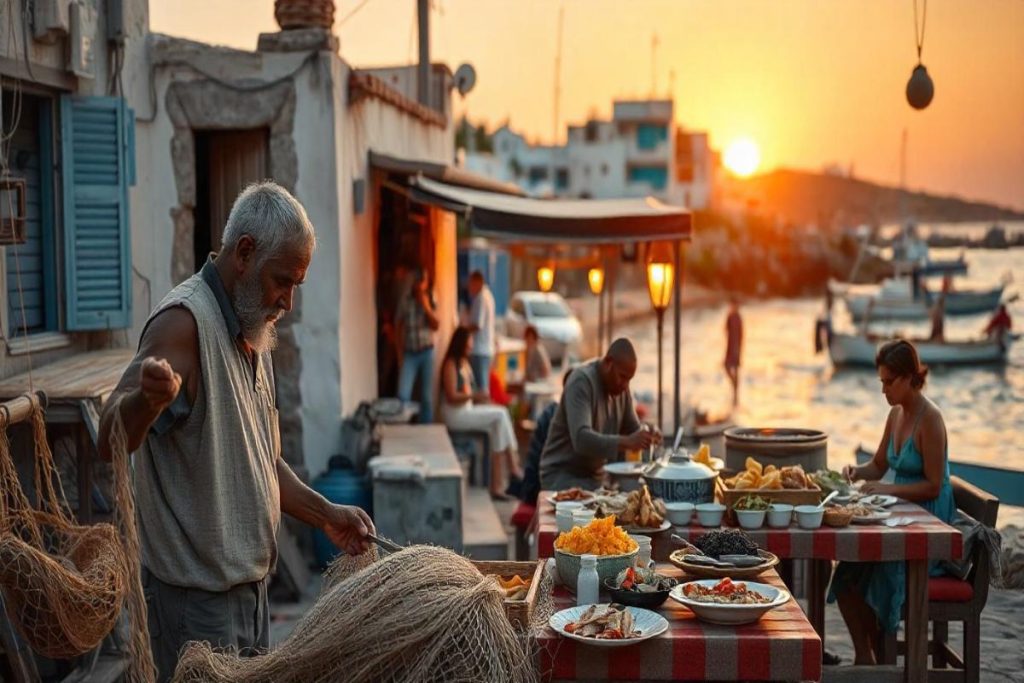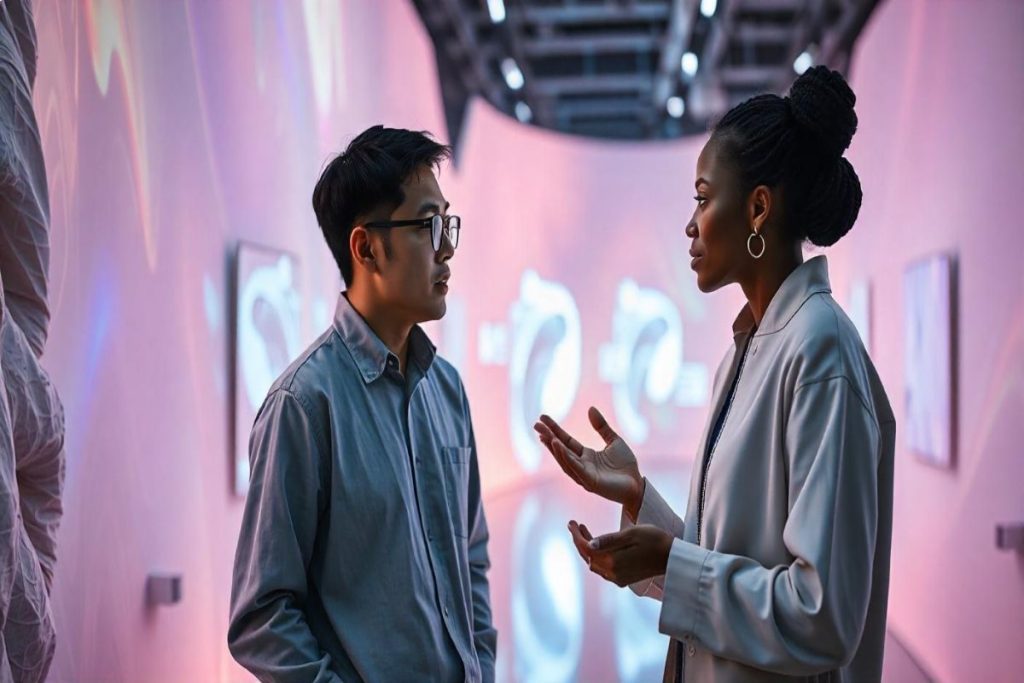
Creative Expression is the engine that fuels art, music, culture, and community, shaping how we see ourselves and the world. Across continents and eras, the practice of culture-inspired expression has told stories, shared values, and negotiated identity, revealing how culture and creativity shape meaning. When artists, musicians, dancers, writers, and designers collaborate across disciplines, interdisciplinary creativity becomes a living practice that weaves emotion, memory, and social insight. This introductory exploration emphasizes how the interplay of visual art, sound, and performance forms a shared language that resonates with diverse audiences. By examining how art, music, and culture intersect in everyday life, we see why Creative Expression matters to individuals and communities today.
Seen from another angle, artistic expression arises when ideas flow between painting, music, dance, and digital media. This cross-disciplinary practice—where visual art, sound, and performance meet—epitomizes a creative practice and collaborative design. Cultural creativity in action shows how communities shape memory and identity through shared making, ritual, and everyday art. Latent semantic indexing prompts us to weave terms like interdisciplinary collaboration, audience participation, and media remix to broaden the conversation beyond traditional forms. In this framing, the topic remains rooted in daily life while expanding into technology, global perspectives, and participatory culture.
Creative Expression at the Intersections of Art, Music, and Culture
Creative Expression thrives where art and music converse with culture, allowing color, form, and rhythm to carry stories beyond words. The dialogue between art and music, and their interplay with culture, fuels Creative Expression as a bridge linking memory, belief, and identity. This cross-pollination reveals how culture and creativity emerge from collaboration, and why audiences feel a more profound sense of shared humanity when disciplines meet.
Interdisciplinary creativity expands the vocabulary of Creative Expression by inviting painters, poets, dancers, coders, and designers to work together. In these spaces, the boundaries between disciplines soften, and communities experience culture and creativity as a living system. Through this lens, art, music, culture become a dynamic triad—each informs the others, shaping what counts as beauty, protest, or hope, and offering new ways to articulate identity.
Nurturing Interdisciplinary Creativity Through Education, Community, and Technology
Arts education acts as an incubator for Creative Expression by giving students access to visual arts, music, dance, and digital media. When schools and communities value process over product—encouraging experimentation, critique, and risk-taking—they cultivate the confidence to translate ideas across media. This approach aligns with broader goals of culture and creativity, ensuring that the next generation can contribute to art, music, and culture with intention and empathy.
Technology and global networks further amplify interdisciplinary creativity, enabling collaborations across borders and time zones. Musicians might sample distant melodies, while visual artists remix archival imagery, and writers invite readers to participate in storytelling. Yet ethical considerations—consent, cultural sensitivity, and fair representation—remain essential to sustaining sustainable practice in the art, music, culture ecosystem, and to preserving trust between creators and communities.
Frequently Asked Questions
How does Creative Expression illuminate connections between art and music within culture and creativity?
Creative Expression acts as a bridge between art and music, rooted in culture and creativity. By collaborating across disciplines, artists and musicians translate ideas into combined visuals, sounds, and performance, giving audiences a richer sense of memory and belonging. This intersection demonstrates how Creative Expression communicates shared values and invites reflection on human experience.
Why is interdisciplinary creativity essential for Creative Expression across art, music, and culture?
Interdisciplinary creativity expands expressive possibilities beyond silos, allowing painting, sculpture, theater, and sound design to inform one another. It broadens audiences’ understanding of culture and creativity by presenting ideas from multiple angles, and strengthens community engagement through collaborative projects, education, and local arts.
| Section | Key Points |
|---|---|
| Introduction | Creative Expression drives art, music, and culture; tells stories, shares values, and negotiates identity across disciplines. |
| Creative Expression in Art, Music, and Culture | Intersections fuel creativity: art translates music and vice versa; culture provides symbols, rituals, and histories that shape meaning. |
| Interdisciplinary Creativity and Collaboration | Collaboration across painting, sculpture, performance, electronics, and software expands creative vocabulary and yields new insights. |
| Education and Community as Incubators | Arts education and local arts ecosystems prioritize process, experimentation, and social learning; identity is explored and shared. |
| Technology, Media, and Global Perspectives | Digital tools enable sampling, remixing, collaboration across borders; new forms like VR and generative art redefine art, music, and culture with ethical considerations. |
| Identity, Power, and Social Reflection | Creative Expression articulates personal narratives, challenges stereotypes, and fosters dialogue about community histories and futures. |
| Economic and Ethical Dimensions | Access, equity, and fair compensation shape healthy ecosystems; inclusive programs and spaces support diverse creators. |
| Case Studies in Creative Expression | Historical and contemporary examples show cross-disciplinary collaboration and the social impact of artwork, music, and culture. |
| The Future of Creative Expression | Participatory, tech-enabled futures with audience co-creation and community-based performances. |
| Conclusion | Creative Expression sits at the heart of art, music, and culture; it unites imagination with social life and invites ongoing collaboration. |
Summary
Conclusion: Creative Expression drives art, music, and culture by connecting disciplines, communities, and technologies in a continuous dialogue about identity, memory, and shared futures.