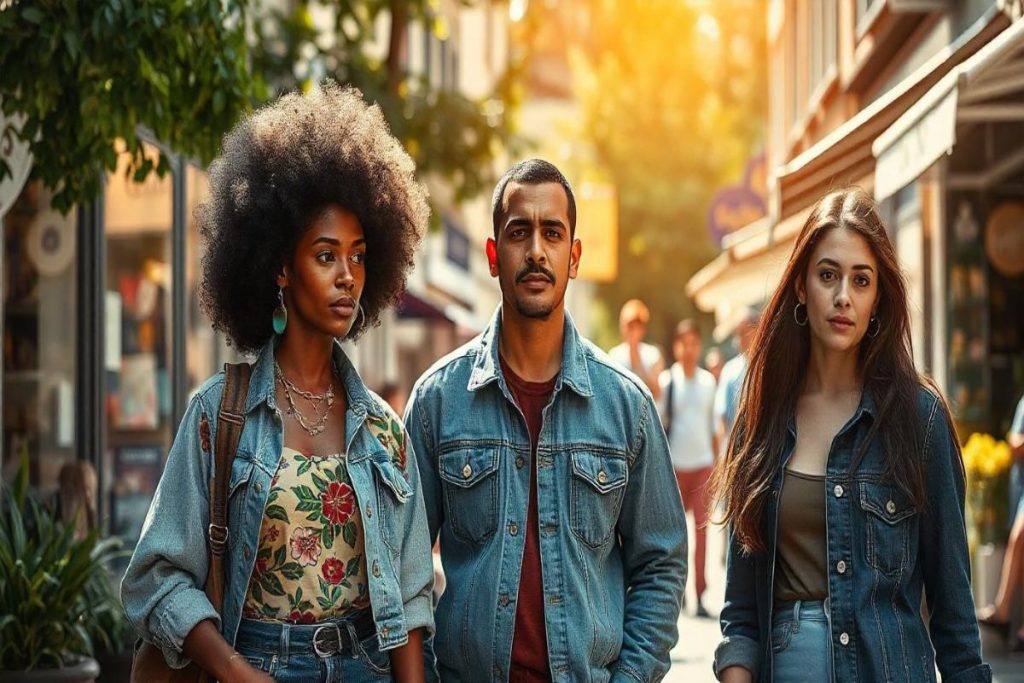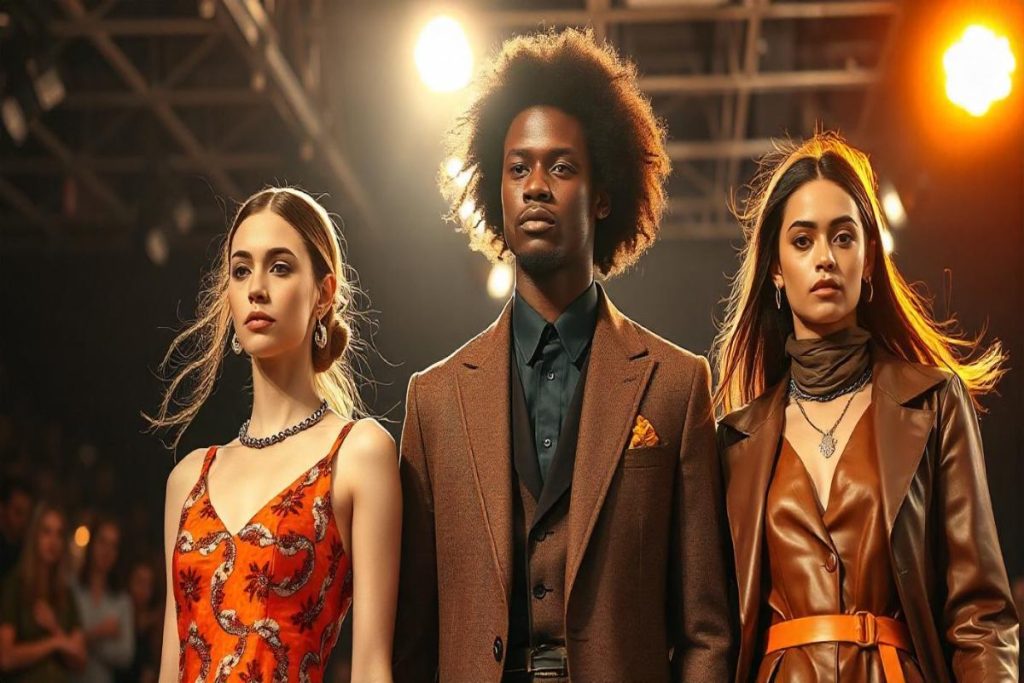
Color Psychology in Fashion is more than a trend; it’s a practical framework for choosing outfits that influence how you feel and how others perceive you. This guide blends color theory in fashion with real-world styling tips to help you craft a wardrobe that feels authentic and empowering. By understanding how hues evoke moods, you can assemble outfits to boost confidence and curate confidence-boosting outfits that project the image you want. The ideas here translate color theory into practical wardrobe color ideas that you can apply day to day. Whether you’re preparing for an interview, a presentation, or daily life, the colors you wear can become your ally.
From another angle, hue psychology describes how colors, tones, and contrasts shape impressions in clothing choices. This framing leans on tone signaling, color symbolism in apparel, and hue resonance to guide what you wear in different settings. Treat it as practical color cues that support your goals rather than rigid rules, aligning mood and message with context. By applying these LSI-friendly concepts—neutrals as a base, strategic accents, and mindful fabric choices—you keep your style cohesive while letting color subtly reinforce your intent. In other words, color becomes a quiet partner in your professional and personal presence.
Color Psychology in Fashion: Leveraging Color Theory in Fashion to Build Confidence
Colors influence mood and perception in predictable ways, and understanding this interplay is the core of color psychology in fashion. Warm hues like red and orange can energize a room, while cool blues and greens foster calm and trust. When you align color choices with your goals—whether to convey competence in a meeting or approachability in a first date—you create outfits that feel intentional and authentic. In practice, color theory in fashion teaches balance: use a bold color as a statement while grounding the look with neutral anchors.
To translate this into outfits to boost confidence, start with base neutrals (black, navy, gray, beige) and select 2–3 core colors that suit your skin tone and mood. A well-chosen accent—like a saturated blazer or a bright accessory—signals energy without shouting. Context matters: a navy suit with a bold red tie communicates authority for a job interview, while softer tints can soften a presentation scenario. By pairing color strategy with fit and fabric quality, you craft confidence-boosting outfits that feel both polished and personal.
Wardrobe Color Ideas for Confidence-Boosting Outfits: A Practical Guide
Wardrobe color ideas start with a crisp assessment of your lifestyle and undertone. Build a capsule around 2–3 versatile base neutrals and 2 colors you love that suit your complexion. This approach makes it easy to assemble outfits to boost confidence in minutes, because you know the rule of thumb (start with neutrals, add a color pop, finish with balanced accessories).
Color-blocking and coordination can elevate daily wear without complicating decisions. Use one focal color per outfit and keep others in similar depth to maintain harmony. For professional settings, choose deeper blues and charcoal with a vivid accent to project competence; for creative contexts, introduce richer hues with neutrals to signal approachability. These wardrobe color ideas help you respond to different situations with confidence and consistency, creating confidence-boosting outfits across your week.
Frequently Asked Questions
What is color psychology in fashion, and how can it guide you to create outfits to boost confidence for important events?
Color psychology in fashion studies how hues influence mood and perception. By applying it, you can build outfits to boost confidence with a simple framework: start with base neutrals, choose 2–3 core colors that suit you, add a bold accent, consider the context, and prioritize fit and fabric. For example, a navy blazer (trust and professionalism) with a white shirt and a burgundy accessory signals competence without shouting. This approach translates color theory in fashion into practical wardrobe choices you can use every day.
How does color theory in fashion help you develop wardrobe color ideas that support confidence-boosting outfits for different settings?
Color theory in fashion teaches balance and mood through the color wheel: use complementary or analogous hues, manage saturation, and pair neutrals with accent colors. Build wardrobe color ideas around 2–3 core colors and neutrals, then craft confidence-boosting outfits by aligning color depth and contrast with the occasion. For instance, for interviews, a navy or slate gray base with a bold but controlled accent (like a cobalt shirt) reads as calm, credible, and polished.
| Key Point | Description |
|---|---|
| Purpose and outcome | Color Psychology in Fashion is a practical framework to influence mood and perception through clothing; it helps you boost confidence and project the image you want. |
| Core ideas | Warm vs cool tones, color saturation, and the psychology of neutrals guide outfit decisions; complementary and analogous color relationships shape contrast and harmony. |
| Practical framework | A step-by-step approach to translating theory into outfits: identify base neutrals; pick a 2–3 color core; add a confidence-boosting accent; consider context; mind fit and fabric. |
| Color palettes | Defined palettes project confidence: Power (deep reds, burgundy, charcoal, black); Trust (navy, royal blue, slate gray, white); Calm (teals/blues with neutrals); Creative (plum, magenta, cobalt) with neutrals. |
| Color blocking tips | Color blocking can convey decisiveness when balanced with a neutral base and limited high-contrast accents; maintain harmony and depth. |
| Wardrobe planning | Build around essential neutrals, create a 2–3 color capsule, add adaptable pieces, signal transitions with color, invest in quality fabrics. |
| Practical tips | Know undertones; test colors in natural light; use color as a mood anchor; rely on neutrals to anchor bolder colors; consider accessibility and readability. |
| Real-world examples | Job interview: navy blazer, white shirt, charcoal trousers with burgundy belt; Presentation: cobalt top with a dark skirt and light blazer; Casual day out: olive/emerald cardigan with cream top and dark denim. |
| Common pitfalls | Overloading on color; ignoring skin tone; chasing trends; sacrificing fit. Prioritize color with fit and fabric quality. |
| Repeatable approach | Define base neutrals and 2–3 core colors; pick one bold accent; match color depth to occasion and skin tone; build outfits from inside out; test in natural light and adjust as needed. |
Summary
Color Psychology in Fashion is a toolkit for building outfits that boost confidence while honoring personal style. By applying color theory in fashion to practical wardrobe decisions, you can convey energy, trust, calm, and authority in a way that feels authentic to you. Start with a solid base of neutrals, establish a small color core, and use accent pieces to signal confidence in every setting. Observe how colors influence your mood, refine your palettes over time, and practice consistently to wear confidence as naturally as your favorite outfit.