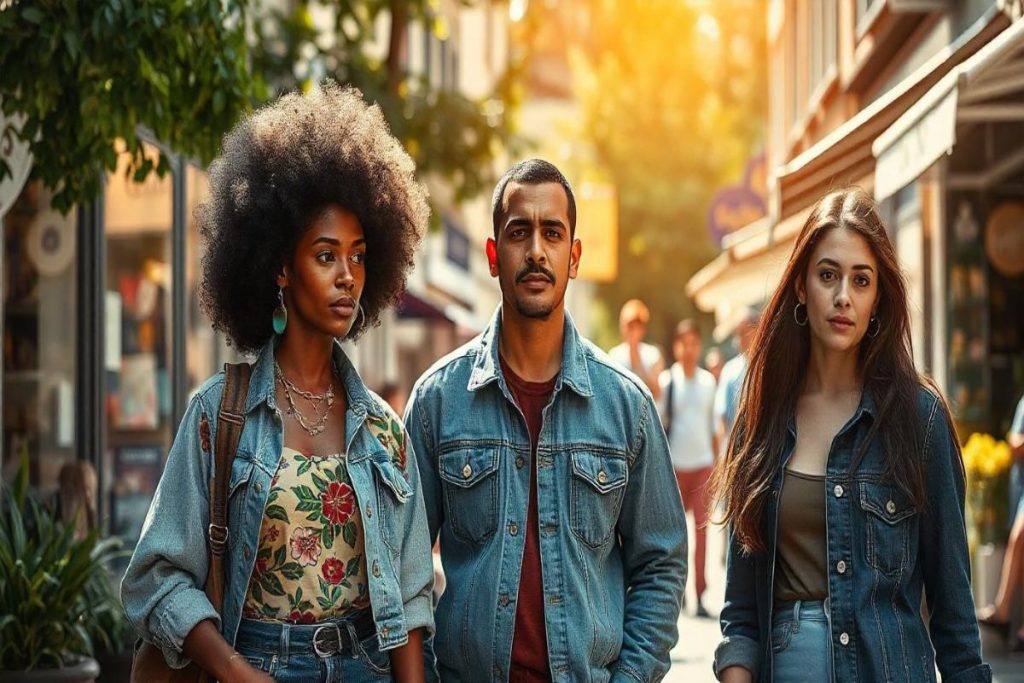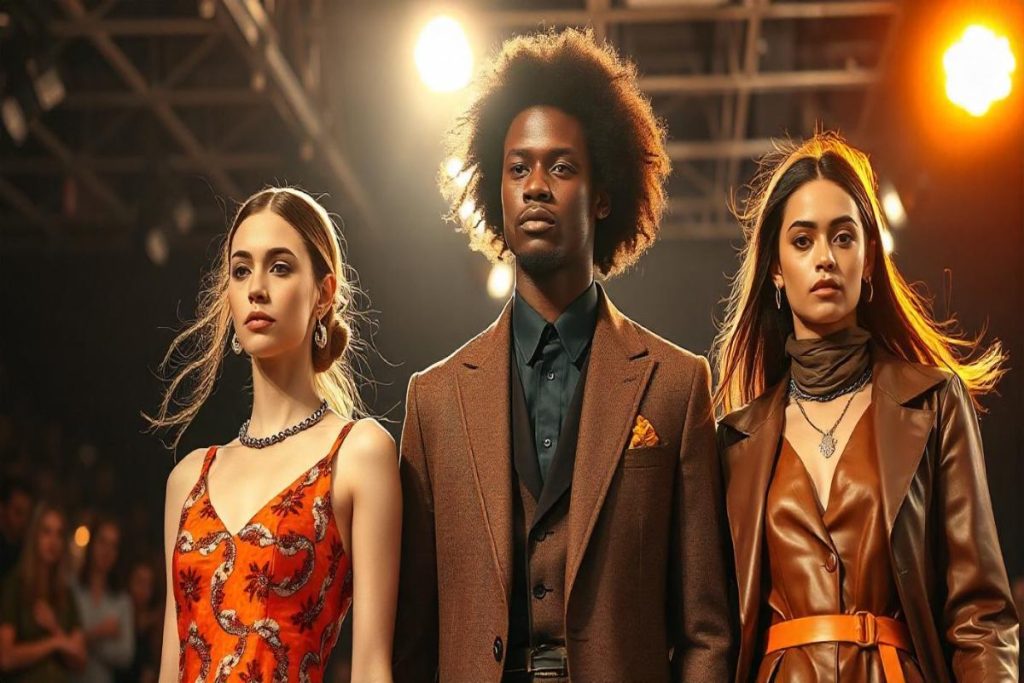
Bold color trends in fashion are reshaping runways and street style alike, signaling a shift toward fearless self-expression and a more optimistic mood that echoes through campaigns, music videos, and everyday looks, a shift visible in sustainable, everyday capsule wardrobes worn with confidence. Designers and influencers are embracing vibrant hues as a language of mood and personality, validating bold color fashion as a lifestyle choice rather than a fleeting gimmick, a signal that experimentation with pigment is mainstream and accessible to all shoppers, reinforcing fashion color trends across retailers’ color assortments. From electric reds to electric blues, this movement invites everyone to experiment with vibrant hues outfits—a bold invitation to color blocking outfits that creates clean, modern silhouettes, useful guidance for mixing scale, texture, and tonal balance across jackets, skirts, and accessories, while retailers highlight easy at-home testing and mix-and-match demos. For many, wearing bold colors becomes a daily act of self-assurance, proving that hue can sharpen perception and signal intentional style, while also offering an instant mood lift during morning commutes, client meetings, and weekend explorations, and inspiring conversations about personal identity in fashion-forward communities. To start, try a single statement piece and balance it with neutrals so the color does the talking, then gradually layer with fit-conscious tailoring, durable fabrics, and well-chosen textures to cultivate a signature look that remains wearable across seasons, with ongoing experimentation encouraged by photographers, stylists, and trend writers, as you build confidence, document outfits, seek feedback, and adjust colors to align with changing seasons and evolving personal taste.
From a semantic perspective, the topic also reads as chromatic fashion movements, bright pigment palettes, and color-forward styling that emphasize confidence, creativity, and personal storytelling through garments. Wearing saturated shades can energize an outfit and set a mood, even when balanced with neutrals and tailored silhouettes. This color-driven approach benefits readers by offering tangible techniques—color blocking, layering textures, and selecting fabrics that hold dye well—without sacrificing elegance. As with any trend, the key is intentionality: test shades near the face in natural light, consider skin undertones, and build a cohesive palette that fits your lifestyle. In practice, the goal is a versatile wardrobe where rich hues coordinate with existing pieces, creating a vivid, expressive aesthetic that remains wearable across seasons.
Bold Color Trends in Fashion: How to Wear Vibrant Hues with Confidence
Bold color trends in fashion are about more than aesthetics—they signal confidence, creativity, and a form of self-expression that uses bold color fashion to make a statement. By embracing vibrant hues, you participate in fashion color trends that reflect mood and personality. When you choose electric reds, electric blues, and other saturated tones, you invite a language of style that speaks before you speak. For many, wearing bold colors is a joyful exercise in self-assured expression, turning everyday outfits into moments of personal storytelling through color and silhouette.
To get started, anchor your look with a single bold piece and build around it with considered neutrals. Start with a statement item—like a cobalt blazer or a magenta sweater—and balance it with charcoal, white, or black basics. This approach aligns with the idea of bold color fashion by minimizing risk while maximizing impact. If you’re new to bold color fashion, try wearing bold colors in controlled doses to see how they impact your mood and how others perceive your silhouette, all while exploring color blocking outfits to sharpen the look.
Color Blocking and Monochrome: Building Cohesive Outfits with Vibrant Hues
Color blocking outfits are a hallmark of bold color trends in fashion. When executed with intention, two complementary colors paired against a neutral base create a modern edge that reads as polished and deliberate. Start with a simple pairing—electric blue pants with a white shirt and a red belt, for example—and adjust color temperature to suit your complexion. This method allows you to experiment with vibrant hues outfits while keeping the overall aesthetic cohesive and wearable, underscoring how color can guide perception without overwhelming the wearer.
Another powerful strategy is to craft monochrome looks using varying saturations of a single hue. A tunic, skirt, or suit in different tones of emerald or cobalt can feel sophisticated and high-fashion when layered with different textures—matte fabrics paired with sheen or velvet next to cotton. Monochrome works beautifully in the context of fashion color trends, enabling you to explore depth, dimension, and subtle contrasts. By weaving in textures and accessories in neutral or metallic tones, you can elevate wearing bold colors into iconic, versatile outfits for work, weekends, and evening events.
Frequently Asked Questions
How can I start incorporating bold color trends in fashion into my everyday wardrobe?
To begin embracing bold color trends in fashion, start with a single statement piece—like a cobalt blazer or vibrant dress—that anchors your look. Pair it with neutrals to ground the outfit and let the hue do the talking. Choose colors that flatter your skin tone in natural light, and select fabrics with subtle texture to add depth. Finish with simple accessories in black, white, or metallics to keep the color as the focal point, and remember that wearing bold colors can be approachable when balanced with clean silhouettes.
What role do color blocking outfits play in bold color trends in fashion, and how can I mix vibrant hues responsibly?
Color blocking outfits are a cornerstone of bold color trends in fashion. Start with two complementary hues and a neutral base, for example electric blue pants with a white shirt and a red belt, so the contrast feels intentional. Consider color temperature: warm colors pair with neutrals or cooler tones, while cool tones work with black, white, or metallics. As you gain confidence, experiment with different saturations or even a monochrome look by layering textures to add depth.
| Topic | Key Point | Examples / Notes |
|---|---|---|
| Definition / Overview | Bold color trends in fashion go beyond a seasonal spark; they signal confidence, creativity, and expressive styling. They invite experimentation with vibrant hues and emphasize intention, balance, and personal flair. | Electric reds, electric blues; color as mood language; invites personal experimentation |
| Why it matters | Colors influence perception and mood; roots in art, culture, and the democratization of style. The goal is a polished, intentional statement where the color speaks while the silhouette, fabric, and fit support the look. | Look polished, not overwhelmed; color enhances mood and style language |
| Principle 1 | Start with a single statement piece to anchor an outfit; choose a hue that flatters your skin tone and existing wardrobe. | Blazer, dress, or trousers in a bold color |
| Principle 2 | Balance with neutrals to ground the look. | Yellow with charcoal gray; cobalt with black; ruby with white denim |
| Principle 3 | Embrace color blocking carefully; consider color temperature and proximity. | Warm colors pair with neutrals/cool tones; cool colors pair with black/white/metallics |
| Principle 4 | Consider color temperature and harmony; identify warm or cool hues that complement your complexion; test shades near your face in natural light. | Aim for harmony where color enhances features |
| Principle 5 | Play with textures and materials; fabrics reflect light differently and give color distinct personalities. | Satin vs matte finishes (e.g., red cardigan vs red blouse) change vibe |
| Principle 6 | Accessorize thoughtfully; neutrals or metallics complete the look without stealing attention from the color statement. | Black, white, or gold accents anchor bold hues |
| Practical Application | Vibrant hues can be woven into daily wear through a color-coordinated capsule; start with a signature color or two and build outfits around pieces you already own. | Cobalt blazer with white pants; magenta sweater with neutrals; emerald-green skirt with a simple top |
| Color Blocking & Monochrome | Color blocking uses two complementary colors with a neutral base; progress to bolder combos; monochrome uses varying saturations and textures for depth. | Electric blue pants with white shirt and red belt; monochrome looks built from a single hue with texture variety |
| Outfit Ideas for Occasions | Practical looks across work, weekend, and events with bold color accents. | – Office: cobalt blazer with neutral blouse and charcoal trousers; – Casual: sunny yellow midi dress with white sneakers; – Evening: emerald green satin slip dress with metallic heels |
| Care & Longevity | Choose fabrics with good colorfastness; follow washing/instruction care; use gentle washes and avoid excessive heat; consider dry cleaning when needed. | Preserve vibrancy over time; match care to fabric type |
| Practical Mistakes to Avoid | Avoid clashing hues, over-accessorizing, poor fit or fabric, and ignoring skin-tone compatibility. | Test shades near the face in natural light to ensure brightness |
| Confidence & Real-Life Notes | Confidence is essential; curate go-to bold colors, practice combinations, and refine through mirror checks and photos. | With practice, bold color fashion becomes a durable style language |