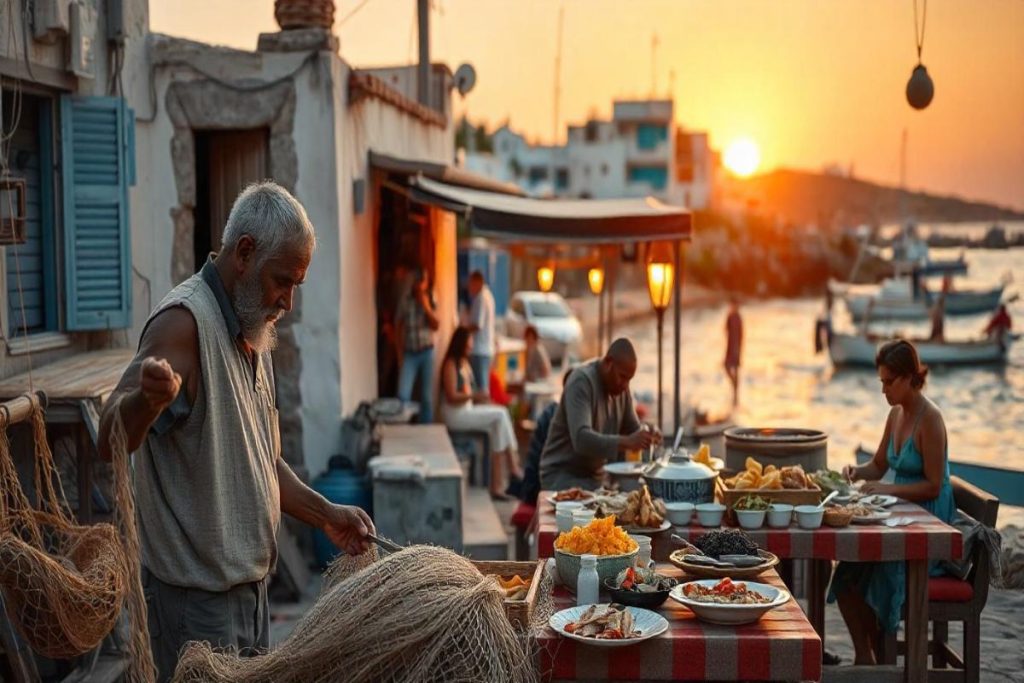
Culture Economy is a dynamic engine that turns culture into jobs, visitor demand, and local prosperity. This framework treats culture as an economic asset that can drive investment while preserving place identity. By weaving art, history, and creative activity into everyday life, the Culture Economy unlocks new opportunities for small businesses and regional growth. Key mechanisms include cultural tourism impact, heritage tourism economic impact, culture-led economic development, and the creative economy and tourism that translate ideas into experiences and revenue. Ultimately, culture-driven local economies show how culture, tourism, and creativity together shape resilient, inclusive growth.
An alternative framing is the cultural economy, a term that centers arts, heritage, and creativity as drivers of growth beyond traditional industry. Culture-led development emphasizes placemaking through museums, festivals, and crafts that attract visitors and investment while honoring local identities. Heritage sectors, creative industries, and tourism activities combine to turn cultural assets into revenue streams, jobs, and skill development. From an LSI perspective, terms like cultural tourism impact, culture-led growth, and arts-based development help map the broader landscape. Together, these terms form a web of relevance that improves SEO while conveying how place-based culture can fuel sustainable prosperity.
Culture Economy: How Culture Drives Tourism and Local Growth
The Culture Economy is more than aesthetics; it links museums, theaters, festivals, historic sites, traditional crafts, and contemporary design into a powerful economic strategy. Cultural tourism impact becomes visible as visitors seek authentic experiences, driving spending that supports hotels, restaurants, transport services, and local retailers. When communities cultivate creative events and heritage offerings, they create a resilient economic fabric where culture drives jobs and income for families and small businesses.
In a culture-led economic development framework, planners weave cultural assets into planning, marketing, and entrepreneurship. The creative economy and tourism blend ideas into products and experiences—film screenings, design districts, craft markets, and immersive performances—that attract visitors and nurture local talent. By aligning culture with investment, education, and enterprise support, municipalities can foster inclusive growth while preserving identity and distinct place-based narratives.
Culture-Driven Local Economies: Diversification, Heritage, and Creative Prosperity
A diversified culture sector helps local economies reduce dependence on a single industry, building resilience through year-round activity. Heritage sites anchor sustainable revenue streams via guided tours, workshops, and adaptive reuse, while festivals and cultural venues spread visitation across seasons. This culture-driven local economies approach supports craftspeople, artists, and service firms, expanding opportunities and strengthening community pride.
Realizing this potential requires thoughtful governance and coordinated action with tourism planning. Invest in cultural infrastructure, support local creatives and small businesses, and measure cultural tourism impact through visitor spend, employment, and business growth. When culture is integrated into policy and practice, communities can sustain authentic experiences, expand markets for local creators, and demonstrate a measurable return on investment for culture-led initiatives.
Frequently Asked Questions
What is Culture Economy, and how does cultural tourism impact local growth?
Culture Economy is the use of cultural assets—museums, festivals, historic sites—as engines of economic activity. Cultural tourism impact is a key channel: visitors spend on lodging, dining, and experiences, generating jobs and revenue for local businesses. Heritage tourism economic impact and the growth of creative industries help diversify the economy while preserving a place’s identity.
How do culture-led economic development and the creative economy and tourism support resilient, culture-driven local economies?
Culture-led economic development places culture at the core of planning, placemaking, and entrepreneurship to strengthen local prosperity. The creative economy and tourism convert cultural ideas into products and experiences, expanding markets and job opportunities. When these assets feed into culture-driven local economies—through festivals, craft markets, and heritage sites—communities build resilience and sustainable growth.
| Aspect | Key Points | Impact / Outcomes | Related Keywords | |||
|---|---|---|---|---|---|---|
| What is the Culture Economy? | – Intersection of cultural assets and economic activity; includes museums, festivals, heritage, crafts, music, visual arts, and design; includes creative industries (film, gaming, fashion, publishing, digital media); when integrated into planning and entrepreneurship, culture becomes a core economic strategy. | – Creates jobs and investment; strengthens economic resilience; helps preserve local identity. | Culture Economy, cultural tourism impact, culture-led economic development, heritage tourism economic impact, creative economy and tourism, culture-driven local economies | |||
| Mechanisms: Cultural tourism impact and visitor appeal | – Cultural assets attract authentic experiences; spillovers to hospitality, dining, transport, and retail; multiplier effect for local businesses. | – Higher visitor spend, longer stays, broader economic reach. | cultural tourism impact | |||
| Mechanisms: Heritage as a foundation for sustainable growth | – Heritage sites are durable attractions; re-animation via storytelling, community events, adaptive reuse. | – Creates conservation and service jobs; builds a resilient local economy. | heritage tourism economic impact | |||
| Mechanisms: Culture-led economic development and placemaking | – Culture at the center of urban/rural development; placemaking, education, entrepreneurship; invest in cultural districts, artist incubators, public art. | – Strengthens belonging; boosts local spending and social capital. | culture-led economic development | |||
| Mechanisms: The creative economy and tourism engine | – Creative industries translate cultural ideas into products and experiences; tourism highlights local creatives (fashion, film, design, etc.); policy supports entrepreneurship. | – Sustains art spaces, apprenticeships, and maker revenue; encourages local production. | creative economy and tourism | |||
| Mechanisms: Culture-driven local economies — diversification and resilience | – Diversifies economies beyond a single industry; festivals and venues provide year-round activity; cultural entrepreneurship builds skills. | – Increases resilience to shocks and shifts in travel patterns. | culture-driven local economies | |||
| Case Studies | – Edinburgh: festival capital driving robust ecosystem; hotels, dining, services. | – Kyoto: enduring temples and crafts attract deep cultural immersion and steady visitation. | – New Orleans: music, cuisine, festivals fuel small businesses and cultural entrepreneurship. | – Oaxaca: vibrant arts, culinary traditions, and crafts support place-based development. | ||
| Benefits, Trade-offs, and Policy | – Benefits: economic diversification; higher visitor spend; community pride; talent retention. | – Trade-offs: gentrification risk; tourism dependence; preservation vs modernization; inclusivity. | – Policy: invest in infrastructure; support local creatives; integrate culture into tourism planning; protect heritage; measure impact. | |||
Summary
Conclusion: The Culture Economy shows that culture is not merely a backdrop for travel; it is a dynamic economic asset that can drive tourism, create jobs, and strengthen local economies. By recognizing the cultural assets that differentiate a place, communities can design strategies that balance preservation with opportunity, ensuring that cultural experiences remain accessible to residents and attractive to visitors. When culture and commerce cooperate, cities and regions cultivate sustainable growth, foster innovation, and build more resilient, vibrant communities. In this way, culture truly becomes a powerful engine for economic development—one that benefits both locals and travelers and reinforces a place’s unique identity.
In summary, the Culture Economy is about more than culture for culture’s sake. It is about cultivating cultural capital into durable economic value through cultural tourism impact, culture-led economic development, heritage tourism economic impact, creative economy and tourism, and culture-driven local economies. Used wisely, culture can transform places into magnets for investment, learning, and opportunity, while preserving the stories that make each community unique.