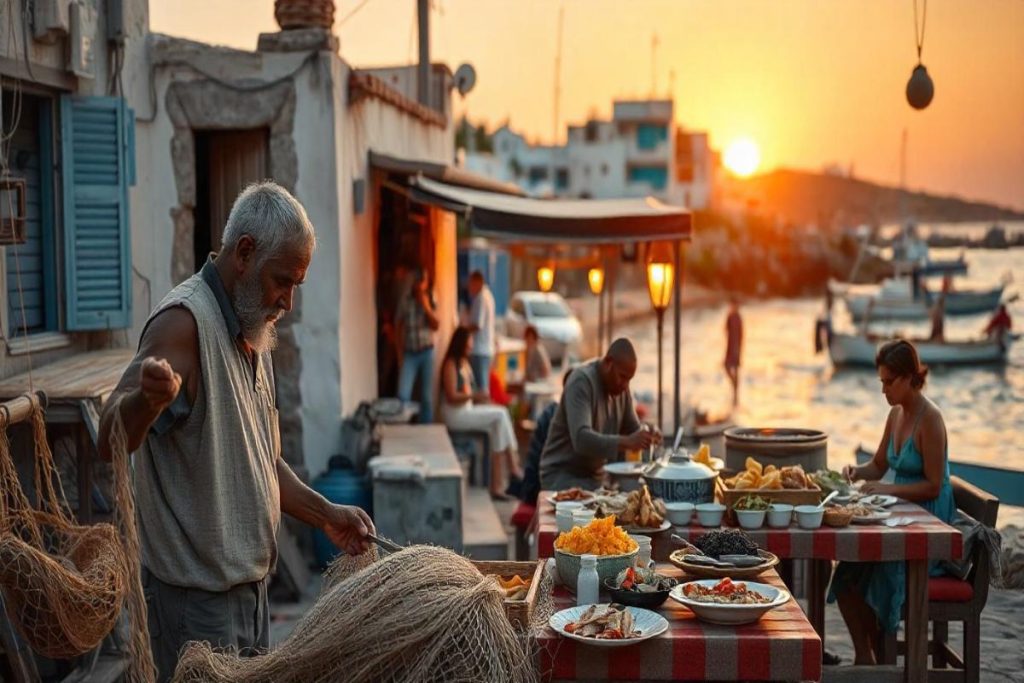
Culture Preservation is more than nostalgia; it’s a deliberate practice that helps communities maintain identity, continuity, and resilience in a rapidly changing world. By embracing culture preservation techniques, communities document stories, crafts, and languages that would otherwise fade, turning memory into living practice. Efforts to protect traditions become a shared mission when families, schools, and local organizations weave heritage into daily life. This approach supports resilience and adaptation within communities. Through intentional practice and collaboration, culture preservation can empower future generations to value their roots while embracing progress.
Beyond the explicit label, the idea can be framed as heritage safeguarding, emphasizing living connections between people, place, and practice. Other related concepts guide programs that teach, celebrate, and adapt practices for today while honoring their origins in communities and families. Using these LSIs helps readers connect with a broader goal of sustaining a dynamic cultural legacy across generations, from elders to newcomers.
Culture Preservation in the Digital Age: Techniques to Protect Traditions and Sustain Cultural Identity
In the digital age, Culture Preservation becomes a deliberate practice that helps communities maintain identity, continuity, and resilience. culture preservation techniques such as documentation, digitization, and language preservation capture stories, songs, and crafts before older generations fade. By creating accessible digital archives and interactive maps, communities can protect traditions and enable intergenerational knowledge transfer, ensuring tacit skills and contextual meanings stay alive rather than fading into folklore.
Beyond storage, preserving cultural heritage in modern society means weaving living practices into daily life—culinary demonstrations, language nests, community storytelling via podcasts, and hands-on workshops. This approach requires ethical stewardship and rights-respecting collaboration among elders, educators, and technologists, enabling communities to retain control over how their heritage is represented. By aligning UNESCO-inspired frameworks with local governance, communities cultivate a vibrant, evolving culture that honors roots while adapting to new contexts, anchored by ongoing intergenerational knowledge transfer.
Strategies for Protecting Traditions and Fostering Intergenerational Knowledge Transfer in Modern Society
Strategies for Protecting Traditions and Intergenerational Knowledge Transfer in Modern Society require coordinated action. Practical strategies include collaborative governance where communities co-manage preservation priorities; public-private partnerships that fund digitization centers, heritage labs, and language programs; and accessible education embedding culture-focused modules into schools and libraries. Integrating culture preservation techniques into policy and everyday practice helps protect traditions while embracing new technologies and media.
To maximize impact, programs should emphasize intergenerational knowledge transfer through storytelling, apprenticeships, language revival, and family rituals. Use digitization, open access repositories, and participatory museums to reach diverse audiences, while maintaining ethical stewardship, source attribution, and consent. Measurable outcomes—participation rates, learning outcomes, and preservation outputs—help communities adapt and sustain efforts, ensuring preserving cultural heritage in modern society remains a living, inclusive process.
Frequently Asked Questions
What are culture preservation techniques to protect traditions in modern communities?
Culture preservation techniques include documentation and archiving, language preservation, intangible heritage safeguarding, digitization, and community-led initiatives. These measures help protect traditions by creating accessible records, sustaining living practices, and ensuring ethical stewardship as communities adapt to changing contexts.
How does preserving cultural heritage in modern society support intergenerational knowledge transfer?
Preserving cultural heritage in modern society builds a living bridge between generations by enabling elders to share stories, crafts, and language through both traditional practices and modern media such as podcasts, short videos, and apps. By combining apprenticeships, language circles, and school programs, it strengthens intergenerational knowledge transfer while keeping heritage vibrant and relevant.
| Theme | Key Points | Notes / Examples |
|---|---|---|
| Why Culture Preservation Matters |
|
Traditions encode values, teach problem-solving, and help communities navigate modern life without losing roots. |
| Core Techniques |
|
UNESCO-inspired frameworks, bilingual education, digital repositories, co-designed programs, and attribution practices. |
| Protecting Traditions in a Modern Context |
|
Living practices are reinforced through education and community activities. |
| Preserving Cultural Heritage in Modern Society |
|
Institutions support preservation, but success relies on active community participation. |
| Intergenerational Knowledge Transfer |
|
Keeps culture dynamic and relevant through tacit knowledge transfer. |
| Practical Steps You Can Take |
|
|
| Case Examples and Real-World Impact |
|
Shows how preservation translates to living practice beyond museums. |
| Common Pitfalls to Avoid |
|
Sustainable approaches emphasize community leadership, consent-based sharing, and ongoing adaptation. |
Summary
Conclusion: Culture Preservation is a dynamic, collective practice that helps communities thrive amid rapid change. By applying documented techniques, language protection, and community-driven effort, societies can safeguard living traditions while embracing innovation. Collaborative governance, intergenerational knowledge transfer, and inclusive education further empower sustainable heritage stewardship for Culture Preservation in modern life.