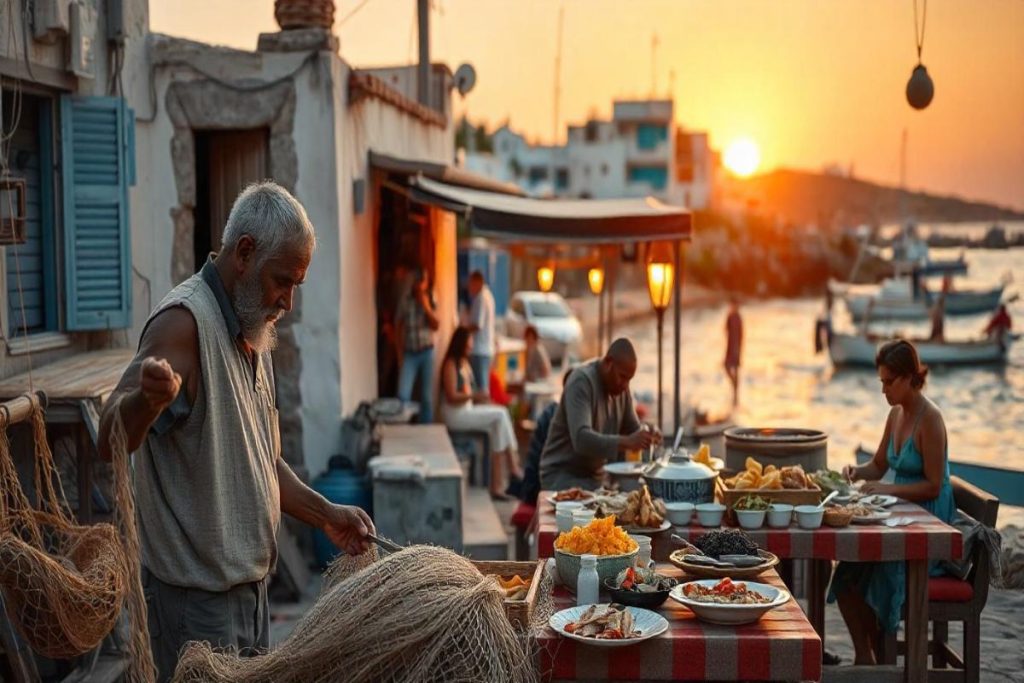

Belonging in a global neighborhood is a practice we can cultivate in everyday life. As globalization reshapes where we work, learn, and connect, our experiences of home become more about shared meanings than about a single place, and we learn to welcome others with curiosity, recognizing that every encounter offers a chance to revise our assumptions, broaden our networks, and reimagine what it means to belong, inviting us to revisit our stories, question inherited norms, and design spaces where everyone can show up as their full selves. The idea of belonging is gifted with flexibility: it invites us to listen deeply, to ask questions, and to contribute in ways that honor both our roots and our growing conversations with people from different backgrounds, including families, colleagues, neighbors, and fellow travelers who share a desire to build common ground while preserving distinctive stories; it also requires patience, courage, and a willingness to let go of fixed judgments. In addition to personal reflection, we consider practical paths for building a sense of place that transcends borders, from neighborhood hubs and cultural centers to digital platforms where diverse voices meet, collaborate, and mentor one another, transforming casual interactions into ongoing exchanges that strengthen trust and mutual care. By focusing on respect, mutual learning, and shared creativity, we can weave a social fabric where everyone has a voice and a place to belong, contributing to a more resilient community that thrives on inclusion, empathy, and the meaningful cross-pollination of ideas across generations, languages, and cultures, and a shared commitment to the well-being of all.
Seen through the lens of cross-cultural exchange, belonging can look like a dynamic process of mutual recognition rather than a fixed destination. Alternative terms such as the global village, transnational communities, intercultural fluency, and shared humanity describe the same core idea from a different angle. LSI-informed writing maps related concepts like diaspora networks, cosmopolitan identity, inclusive dialogue, and collaborative creativity to reinforce the theme without resorting to repetitive keywords. By prioritizing semantic relatives over exact terms, you invite readers to explore the topic through varied perspectives while improving discoverability for diverse search intents. Together, these terms help situate belonging within a broader ecosystem of cultures, languages, and places, guiding readers toward practical steps while honoring local roots.
Belonging in a Global Neighborhood: Nurturing Culture and Identity Across Borders
Belonging in a global neighborhood begins with recognizing that culture and identity travel with us. As globalization threads together languages, cuisines, rituals, and ways of connecting, belonging becomes a dynamic practice rather than a fixed place. In this landscape, inclusive communities emerge as spaces where different cultural signals can coexist, be celebrated, and contribute to a shared sense of home.
To cultivate multicultural belonging, we learn to listen with curiosity, honor roots, and participate actively in the conversations that shape our neighborhoods. This means seeking out communities that validate diverse expressions of culture while inviting new voices to reshape what belonging looks like in practice. By building cultural fluency—understanding norms, greetings, and communication styles across backgrounds—we reduce barriers and widen the circle of connection in the global neighborhood.
Practical enactments—language exchanges, cultural centers, mentorship networks, and volunteer initiatives—turn broad ideas into everyday belonging. When people feel seen and valued for who they are, differences become bridges rather than barriers, and our shared social fabric grows stronger.
Finding Your Place in a Global Community: Steps for Multicultural Belonging
Finding your place in a global community begins with inner clarity about what you value, where you come from, and the stories that give you identity. This self-reflection anchors you as you move through a world of diverse perspectives, helping you articulate what you bring to inclusive communities and why it matters.
Next, seek diverse spaces that align with your values—multilingual book clubs, cultural associations, or professional networks that prioritize equity. The journey of belonging involves active listening, asking respectful questions, and sharing your culture as a two-way street, so that learning flows in both directions and everyone benefits.
From there, practical steps multiply: learn a new language or communication style to bridge gaps; volunteer in cross-cultural projects; and practice small acts of kindness that acknowledge others’ contributions. In doing so, you embody finding your place in a global community—contributing to a larger story of inclusive communities and shared purpose.
Frequently Asked Questions
How can I cultivate belonging in a global neighborhood while honoring my culture and identity?
Begin with self-reflection on core values and stories to anchor your sense of self in culture and identity. Seek inclusive communities that celebrate culture and identity, such as cultural associations or language clubs. Practice active listening and humility when engaging with others, and share your culture as a two-way exchange to nurture multicultural belonging. Get involved—learn a new language, volunteer, and participate in local initiatives—to weave your roots into a thriving global neighborhood.
What practical steps support inclusive communities and multicultural belonging in finding your place in a global community?
Look for spaces that celebrate diversity and provide opportunities to contribute, such as multilingual groups, immigrant-led networks, or cross-cultural projects. Develop cultural fluency by learning about other perspectives and being mindful of power and privilege. Actively participate in local and online networks, practice respectful dialogue, and invite others to share their stories. By giving and learning in equal measure, you strengthen inclusive communities and find your place in a global community.
| Topic | |
|---|---|
| Globalization and Belonging |
|
| Core Triangle: Culture, Identity, Belonging |
|
| Bicultural/Multicultural Belonging |
|
| The Global Neighborhood: Mobility, Digital Life, and Connection |
|
| Practical Steps for Everyday Belonging |
|
| Cultural Fluency and Power Dynamics |
|
| Real-World Examples |
|
| Role of Institutions |
|
| Benefits of Belonging |
|
Summary
The HTML table above summarizes the key points from the base content about belonging in a global neighborhood in an accessible, English-language format.