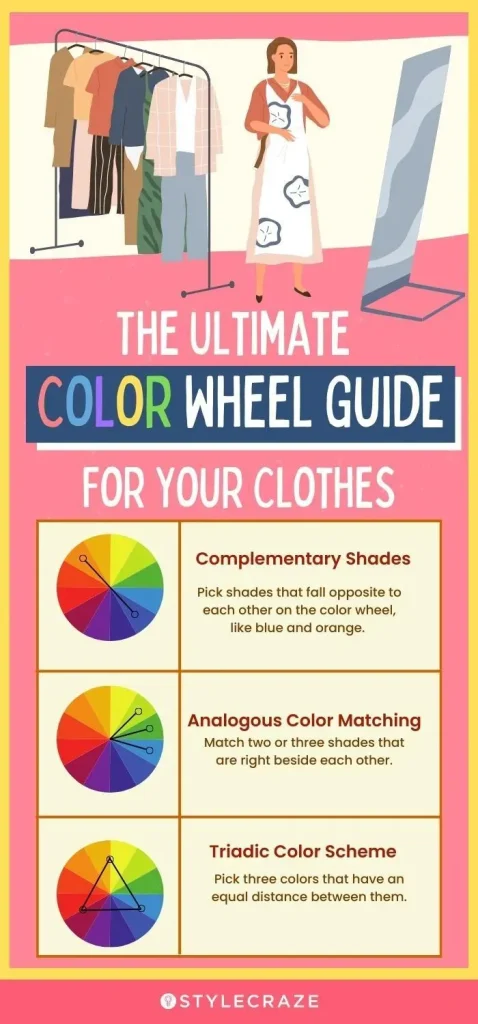
Fashion Color Guide is your essential resource for navigating the ever-changing hues that define fashion today. Colors have a powerful presence in fashion, signaling color trends in fashion and transforming even simple silhouettes into statements. In this guide, we’ll explore top fashion color trends, how to wear bold colors, and how to build cohesive fashion color palettes that suit your style. We also discuss skin tone considerations and the fabrics that affect how colors read in daylight, helping you navigate seasonal color trends in real life. This guide aims to empower you to express your personality through color while staying seasonally relevant.
Seen from another angle, this topic becomes a hue guide for your wardrobe, focusing on color families, tonal balance, and thoughtful palette planning. Think of it as color storytelling that aligns mood, texture, and season with the way you dress. Alternative terms—pigment direction, chromatic strategy, and wardrobe color coordination—point to the same practical aim of cohesive outfits. By anchoring choices in undertones, fabrics, and lighting, you can apply LSI-inspired connections to stay current without losing personal style.
Fashion Color Guide: Mastering Top Color Trends for a Cohesive Wardrobe
Colors have a powerful presence in fashion, and the Fashion Color Guide is your trusted resource for navigating fashion color trends without feeling overwhelmed. It helps you forecast which hues will surface across wardrobes, runways, and retailers throughout the year by grouping hues into cohesive families—neutrals with depth, earthy tones, bold jewel tones, soft pastels, metallics, and the allure of monochrome. This approach supports building fashion color palettes that fit your style, skin tone, and daily activities while avoiding color chaos.
To translate trends into real outfits, start with base neutrals and layer in carefully chosen accents. Consider undertones and fabric when judging color intensity, because hue can shift with lighting and texture. A capsule wardrobe built around seasonal color trends lets you mix and match with confidence, focusing on color trends in fashion that suit your personality and lifestyle.
How to Wear Bold Colors: Practical Tips and Seasonal Color Trends
Bold hues can energize a look when balanced with neutrals and thoughtful textures. Start with a neutral base—black, navy, gray, or ivory—and introduce a single dominant bold color as the anchor, with one supporting hue to keep the silhouette cohesive. Understanding undertones helps you select jewel tones and saturated shades that flatter your complexion, a practical part of knowing how to wear bold colors and staying aligned with fashion color trends and color trends in fashion across the seasons.
Practical outfit ideas bring the concept to life: workwear such as a navy blazer with a burgundy pencil skirt; casual weekends featuring an olive jacket with a cream tee; or an evening look with a jewel-tone satin dress. Use color blocks and texture to add depth, and let fabrics like silk or velvet enrich the hue. Build a wardrobe around your fashion color palettes and keep seasonal color trends in mind so bold colors feel intentional rather than loud.
Frequently Asked Questions
What is the Fashion Color Guide and how can it help you track fashion color trends?
The Fashion Color Guide is your go-to resource for understanding color trends in fashion. It outlines top fashion color trends and how to wear them, including neutrals, earthy tones, jewel tones, pastels, and metallics. By focusing on seasonal color trends and cohesive color palettes, it helps you forecast what will appear in wardrobes, runways, and retailers without feeling overwhelmed. Use it to test undertones, fabrics, and value contrasts to build outfits that fit your lifestyle.
How to wear bold colors and build fashion color palettes using the Fashion Color Guide?
The Fashion Color Guide shows that you can wear bold colors by anchoring outfits in neutrals and using bold hues as accents. Start with a neutral base (black, navy, gray, or beige) and introduce a bold color as a top, accessory, or single statement piece. Build a fashion color palette by selecting 2-4 accent colors plus one standout color, ensuring undertones harmonize (cool tones with blues and emeralds; warm tones with olive and golds). Test outfits in different fabrics and lighting to see how bold colors read in real life, and balance color blocks to keep the look cohesive.
| Aspect | Key Points |
|---|---|
| Role of color in fashion | Color sets mood, signals seasonality, and can transform even simple silhouettes. The Fashion Color Guide helps you navigate which hues work best and how to use color strategically in outfits. |
| What makes a color trend in fashion? | Driven by culture, textile advances, and self-expression. A trend includes groups of colors that work together, not just a single hue. Core themes include neutrals, vibrant jewel tones, soft pastels, and metallics. The goal is to choose color families that match personality and lifestyle. |
| Top color trends |
|
| How to wear the top color trends |
|
| Creating a fashion color palette you love |
|
| Practical wardrobe recommendations by color family |
|
| Skin tone compatibility | Test colors against your jawline in natural light; let undertones guide palette choices. Adapt palettes to suit your unique features and preferences. |
| Seasonal considerations and shopping smarter | Use a capsule approach: keep core neutrals and add 1–2 trend items per season. Choose fabrics that hold color well to maintain color integrity. |
| The role of fabrics, textures, and lighting | Color perception shifts with fabric and lighting. Test colors in daylight and different lighting; request samples and try items on under varied conditions. |
| Avoiding common color missteps |
|
| Practical outfit ideas to illustrate the Fashion Color Guide in action |
|
| Finding your personal expression within the Fashion Color Guide | Focus on color families that suit you; combine versatile neutrals with accents that reflect your personality, staying current without losing authenticity. |
Summary
Conclusion