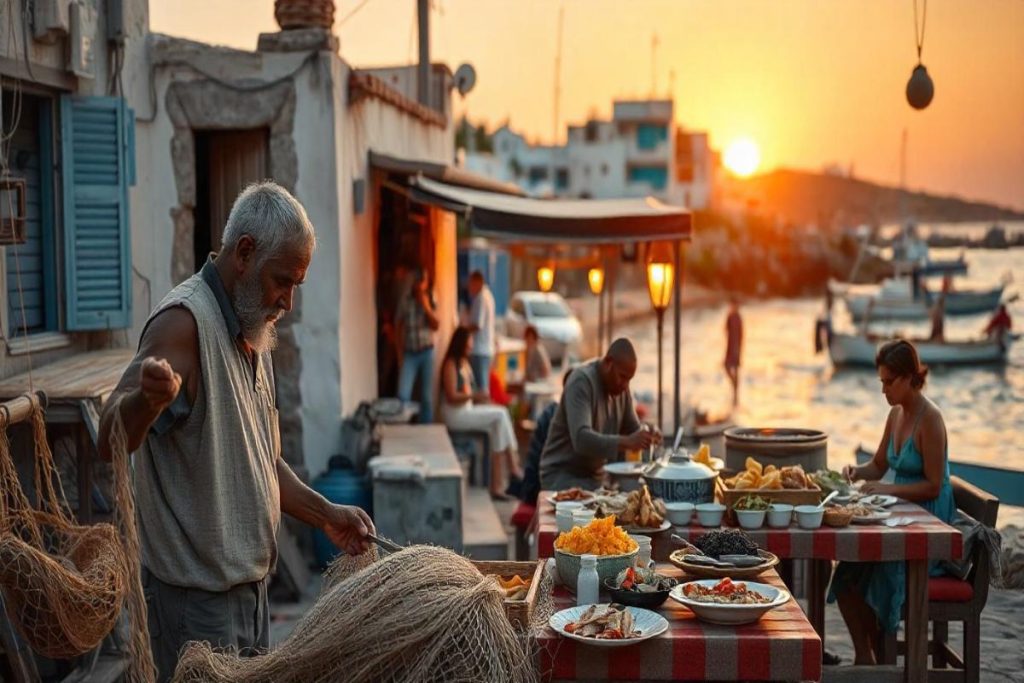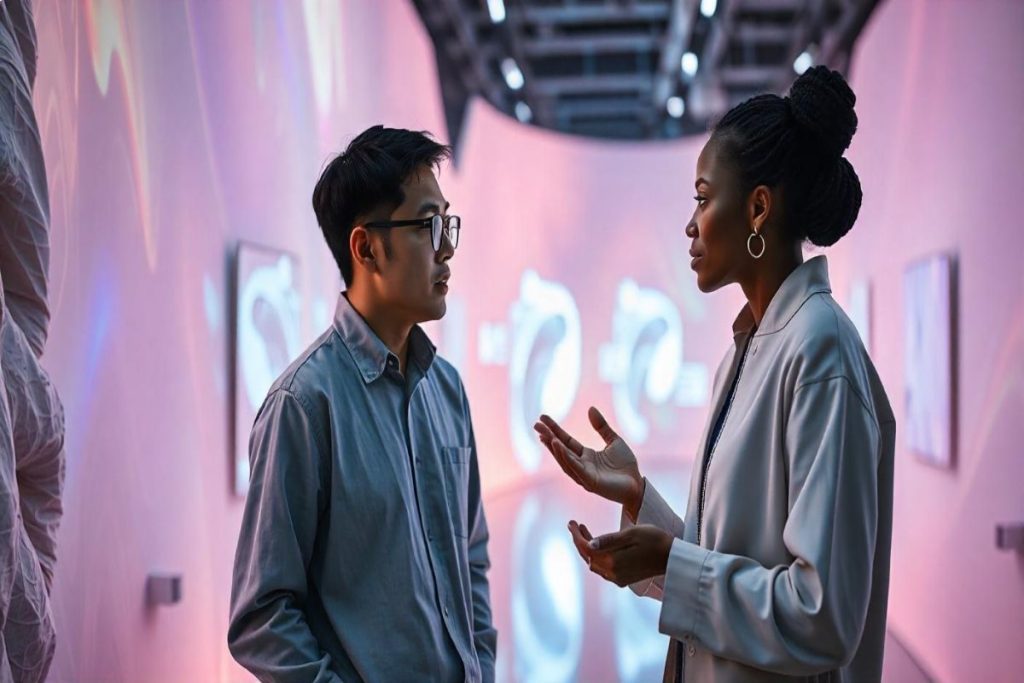

Culture and Identity are not separate strands but two sides of the same coin. Our sense of self grows from culture, heritage, and the stories we inherit, shaping who we are over time and across generations. Exploring cultural identity helps reveal how traditions guide daily choices while allowing new forms of expression that remind us we are always becoming. When people from diverse backgrounds share a space, the dialogue between heritage and self can enrich personal growth, expand empathy, and widen horizons across communities. This expressive blend of symbols, languages, and practices creates a vibrant, inclusive sense of self that people carry into everyday life, work, and play.
Viewed through an LSI-inspired lens, the concept shifts to cultural background, ethnic roots, and a sense of communal belonging as core aspects of self. Identity emerges as a flexible self-concept shaped by family narratives, community rituals, language, and shared memories that travel across generations. In diverse societies, people negotiate multiple affiliations—national, regional, and diasporic—to form a coherent sense of who they are. Framing the topic with related terms helps readers connect with broader conversations about belonging, memory, and the ongoing evolution of self across cultures.
Culture and Identity in a Multicultural Era: How Heritage Shapes Personal Identity
Culture and Identity are not fixed labels but evolving narratives that shape who we are. In this view, culture functions as a web of symbols, practices, languages, arts, and social norms, while identity is the living sense of self we continually negotiate. When we examine these two strands together, we see how heritage and self intersect to form a compass that guides daily choices, values, and aspirations. This relationship is enriched by the stories we inherit, the memories we carry, and the communities that shape our worldview, demonstrating that Culture and Identity are inseparable parts of a larger human story.
As people encounter diverse backgrounds, the dialogue between culture and identity often produces hybrid forms of self that honor multiple roots. The concept of cultural identity emerges as a spectrum rather than a single label, allowing individuals to blend language, customs, and values across traditions. In this sense, cultural heritage becomes more than a collection of past symbols; it is a living resource—an ongoing source of meaning that supports personal identity as it adapts to migration, education, technology, and cross-cultural contact. This dynamic process highlights how heritage and self co-create who we become in a globalized world.
Heritage as a Living Script: Cultivating Personal Identity through Cultural Heritage
Heritage serves as a powerful manuscript from which we read our own lives. Our inherited language, rituals, cuisine, music, and memories offer continuity and a sense of belonging—yet they are not static. The idea of heritage as a living archive emphasizes ongoing reinterpretation by each generation, allowing personal identity to evolve while remaining authentic. When someone grows up bilingual or participates in family rituals that span eras, language and memory become symbols of belonging to multiple communities, reinforcing a nuanced sense of self through cultural heritage.
Beyond the family, institutions such as education and media contribute to how we understand and express our cultural identity. In inclusive settings, diverse cultural contributions enrich personal identity, while in less tolerant contexts, individuals may feel pressure to conform. The formation of personal identity—shaped by family stories, community rituals, and shared memory—thrives when environments listen to evolving expressions of identity. By foregrounding cultural heritage in daily life—through songs, dishes, or traditional celebrations—we reinforce a resilient, flexible sense of self that can navigate the complexities of modern society and support a multicultural identity.
Frequently Asked Questions
How do culture and identity interact to shape personal identity and cultural heritage in everyday life?
Culture and identity are two sides of the same coin. Culture offers symbols, practices, languages, arts, and norms that guide how we act, while identity is the evolving sense of self others understand and we live. Heritage and self act as the manuscript from which we read our lives, reminding us where we come from and what values endure. In multicultural settings, people weave multiple strands—language, rituals, family memories—into a personal identity that remains authentic across contexts. When institutions celebrate cultural diversity, culture and identity can flourish, supporting a more inclusive sense of cultural heritage and personal identity. Everyday moments, like listening to a childhood song or sharing a family dish, reinforce belonging and shape how we see ourselves and our cultural identity.
What is multicultural identity, and how does it emerge from heritage and self in a connected world?
Multicultural identity emerges when people integrate multiple cultural streams into a cohesive self. It reflects cultural identity, heritage and self, and personal identity. The process is dynamic: family narratives, cross-cultural friendships, migration, and exposure to global ideas invite reinterpretation of language, rituals, and values. It can be joyful as people blend traditions into modern life, or challenging when stereotypes or pressure to conform arise. By balancing roots with new influences, individuals craft a flexible, authentic sense of self that honors multiple heritages and strengthens inclusive communities. Ultimately, multicultural identity demonstrates how culture and identity adapt across generations and geographies, showing that heritage can empower personal growth rather than constrain it.
| Aspect | Key Points | Notes / Implications |
|---|---|---|
| Interconnection of Culture and Identity | Not separate; culture shapes self; heritage and shared histories guide daily life; culture and identity are living narratives | Dialogue between past and present; identities evolve with migration, education, technology, and cross-cultural contact |
| Definitions | Culture is the web of symbols, practices, languages, arts, and social norms; Identity is the evolving sense of self | Culture provides scripts for behavior and self-expression; Identity is how we are understood by others; Heritage links to personal life narratives |
| Heritage’s role | Heritage acts as manuscript—language, ritual, cuisine, memory; it can be a stable anchor or a living archive | Heritage may be stable or continually reinterpreted; often multilingual, shaping belonging across communities |
| Multicultural contexts | Multicultural identity emerges when multiple cultural streams are integrated; people blend traditions | Benefits include expanded belonging; challenges include stereotypes, discrimination, and pressure to conform |
| Social and institutional influence | Education, media, and workplaces shape how we see ourselves and how others see us | Inclusive practices empower nuanced identities; stigmatization harms personal and social well-being |
| Development and personal expression | Identity formation occurs through family stories, rituals; growth comes from education, travel, and cross-cultural exposure | Culture and Identity are a flexible mosaic enabling authentic self-expression |
| Community and society | Collective memory and shared vocabulary foster inclusion and social cohesion | Institutions listening to evolving identities and recognizing cultural contributions drive creativity and solidarity |
Summary
Culture and Identity are not static labels but living, interwoven forces that shape who we are and how we belong. This descriptive overview highlights how heritage, family narratives, and community norms inform daily choices, values, and aspirations. It shows how individuals negotiate multiple cultural streams into a coherent self and how societies can foster inclusive spaces where diverse identities thrive. Through education, media, and collective memory, Culture and Identity emerge as engines of creativity, resilience, and social cohesion, inviting empathy and ongoing self-discovery within diverse communities.